
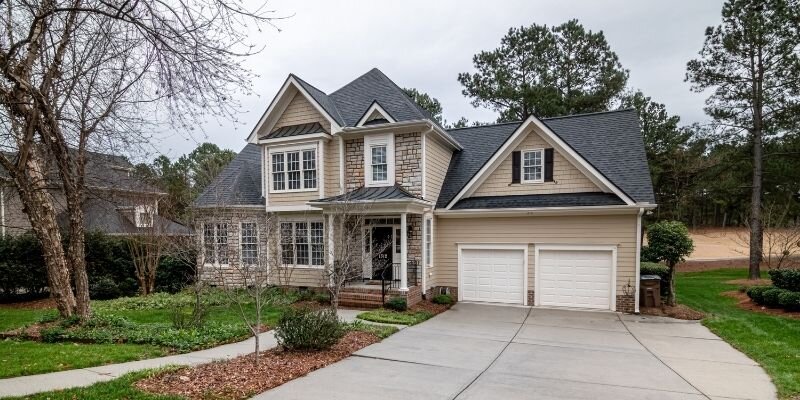
Nearly a third of the listings in the Portland metro have already dropped their asking price. Realtor.com’s September 2026 report put the share at 31.6%, the third highest among the country’s 50 largest metros. That isn’t a broken market. It’s a market that quit paying for wishful pricing, and plenty of good houses got caught in the shift. Your sign has been in the yard since the Rose Festival. The only calls you get come from agents fishing for the listing. If you can’t sell your house, you have more paths forward than anyone has told you about.
What’s Causing Today’s Real Estate Market Challenges for Home Sellers?
Your house likely isn’t the problem. In the city of Portland, homes sold for a median of about $518,000 over the three months ending September 2026, per Redfin. That’s down 2.2% from a year earlier, and the typical home sold after 25 days on the market. Twenty-five days. So when a property crosses sixty, ninety, or a hundred and twenty days, something about that listing is off. It’s almost never “the market.”
Three things stall sales around here. Price is the plain one and condition is the quiet one. Terms are the one no one thinks about until a contract falls through.
Buyers in 2026 carry higher payments than they’d have carried on the same loan a few years back, so they spend with care. A dated kitchen doesn’t cost them what a builder would charge. It costs whatever they fear is hiding behind the cabinets, and that number always runs bigger. I’ve watched sellers lose more to what buyers imagine than to any actual repair bid.
Then there’s financing. A buyer loses a job, or a lender re-pulls credit and finds a new card balance. An appraisal lands low in an area where comps run thin. Contracts fall apart for plain reasons, and no one did anything wrong. Every collapse adds weeks to your days on market, and the next buyer starts asking what’s wrong with your property.
Underwriters have gotten stricter about insurance and inspections, too. Older roofs in Gresham, knob-and-tube wiring in Northeast Portland bungalows, failing oil tanks in the inner southeast: they flag all of it, and some loans die on the spot. Now add listing agents running the same tired marketing on every listing. Sellers end up chasing a shrinking pool of buyers with the same photos and the same Sunday open house as everyone else.
Read your showing feedback for patterns rather than single comments. If a steady stream of buyers walks through and no one writes an offer, the market has already told you what it thinks of your price. When hardly anyone books a tour, the problem lives upstream. Look at the photos, the price band you landed in, and the first two lines of the listing text. Those two problems need two fixes of their own, and sellers who treat them as one problem wonder why the cut didn’t work.
Sitting empty makes everything worse. With the utilities off, no heat through a wet January, and no one checking in, an empty house loses value every month you wait. Insurers get touchy too. Many policies cut back coverage once a house sits empty for a while, so call your insurance agent before you move out.
How Can You Overcome the Barriers to Selling Your House?

I used to tell sellers that fresh paint and a price drop would fix nearly anything. That advice was wrong often enough that I quit giving it.
Paint helps a clean, solid house. It does nothing for a foundation issue or a tenant who won’t allow showings. It won’t touch a title problem no one caught until the title report came back, either. Match the fix to the actual barrier, and you’ll stop burning money.
If the barrier is price, cut once and cut deep. A string of small cuts costs you more than one honest drop, because buyers read a slow bleed as panic.
When the barrier is condition, you’ve got a real choice. A full remodel aimed at a retail buyer works when you have cash in the bank, time, and patience for City of Portland permits. In all my years buying houses, most sellers I meet have one of those at best. Selling as-is to a cash buyer means taking a discount in exchange for skipping every repair and every showing, plus the appraisal contingency.
Hardly anyone explains what that process looks like, so I will. Someone walks the property once, usually for twenty or thirty minutes. They’re checking the roof, foundation, electric panel, and plumbing, and they don’t care about your counters. You get a written offer, you pick the closing date, and the title company handles the rest. Nothing gets staged, you never leave for a showing, and you don’t fix whatever the last buyer’s inspector flagged. That’s what it looks like to sell your home for cash to a local buyer.
When you compare that offer to a listing, line up net proceeds against net proceeds. Gross sale price is the number people lock onto, and it misleads them. Commissions, repair credits, concessions, and three more months of payments all come out of the retail figure before you see a dime.
Listing still makes sense for plenty of people. If the house is in decent shape and you can carry the payment a while longer, a sharp agent with a fresh price can sell it. Every weekend of showings means packing up the kids and the dog, though. Every extra month of carrying costs means less money in your pocket at the end. Weigh that hard before you pick a path.
Other barriers call for other tools. Behind on payments? Call your servicer before anyone else, because loan modification and forbearance still exist. If you owe more than the home is worth, a short sale is an option, though your lender controls the pace and the approval. Tired landlords can sell with tenants in place to an investor and skip the eviction fight. Inherited a property with siblings who disagree? Ask a title officer to pull the vesting early. Probate snags tend to show up late and stall closings everyone thought were simple.
Northwest Real Estate Solutions buys across Oregon and Washington in these exact spots. A straight talk with a local buyer costs you nothing, even if you end up listing instead.
Which Metro Areas Are Most Popular with Home Buyers Right Now?

Close-in Portland gets treated as the heart of buyer demand, with all Sellwood bungalows and Alberta Street remodels having bidding wars attached. Look at where contracts closed, and the picture gets messier. RMLS numbers for August 2026 show Hillsboro and Forest Grove rising to a $535,000 median, with Tigard through Wilsonville climbing past $605,000. Southeast Portland edged up to $477,500. North Portland’s median slid to $457,000.
Lower prices pull buyers outward. Gresham and Troutdale came in at $470,000, which puts a whole house within reach of a payment that buys a condo closer in. Houses out there also went under contract faster in August than in July. If your house sits out that way, here’s how we buy houses in Gresham.
Up at the top end, the trend flips. Lake Oswego and West Linn posted a $930,000 median in August, down from $995,000 the month before. Shoppers in that bracket take their time and bargain hard. More money doesn’t buy more speed.
Your own submarket matters more than any metro headline. If homes draw several offers where you live, your problem is likely the photos or the price, and a strong agent can solve it. Where unsold homes are stacking up, waiting for demand to rescue you is a gamble with your own money. If your area looks like the slow one, it’s worth knowing how we buy houses before you cut the price again.
Test it yourself before you accept anyone’s take. Pull the nearby homes that closed recently, and skip the ones still sitting with signs out front. Note whether those sales were updated or left as-built. A remodeled comp four blocks away isn’t your comp if your bathrooms are untouched. That one difference explains most of the gap between what sellers expect and what buyers offer.
Vancouver, Camas, and Washougal deserve a mention too. Washington has no state income tax, which keeps pulling buyers across the Columbia. Sellers in Clark County often see another kind of buyer than sellers twenty minutes south. If you own on the Washington side, here’s how we buy houses in Vancouver.
One pattern holds across this region: well-kept homes in the middle price band move, and everything else negotiates. Knowing which group your property falls into before you list saves months.
Why Should Sellers Compare the Best Mortgage Lenders?

Shopping a single lender is how people overpay for a decade without ever knowing it.
Sellers should care about this more than it sounds. Your buyer’s lender decides whether your sale closes on time or dies in underwriting a week before closing. A sluggish out-of-state online lender with a call-center underwriter can blow up a clean contract. When you review offers, weigh the lender’s track record next to the number.
Look hard at the letter that comes with any offer. A prequalification means someone listened to a buyer talk about their money. A fully underwritten approval means someone checked the numbers. Have your agent call that loan officer and ask two things: has the file been through underwriting, and when was credit pulled? I’ve watched contracts collapse because someone skipped this one step. A thirty-second phone call tells you more about whether the sale closes than the purchase price does.
For your own needs, whether you refinance to keep the house or buy your next one, get real quotes from at least three places in the same week. Rates move, so last month’s quote is just a story. Local credit unions and Oregon banks often beat the big national names on fees. Small gaps in upfront fees add up over the life of the loan.
Comparison sites work for a rough first look. Most of them run on paid ads, though, so the lender at the top of the page bought that spot. Read the fine print about how your contact details get shared, because one form can bring a pile of phone calls by dinner.
Check licensing before you share a Social Security number on any call. Every mortgage loan officer needs an NMLS ID number. The free NMLS Consumer Access site, run by state regulators, lets you look one up in about a minute.
If foreclosure is already moving, a new loan often isn’t the answer, and chasing one burns the weeks you have left. Oregon Housing and Community Services keeps a county-by-county list of state-certified housing counselors, and meeting with one costs nothing. Free is the right price when money is tight. Bankruptcy is on the table for some owners, though I’d want a lawyer’s read before anyone goes that route, not a blog’s.
How Do Terms, Privacy Policies, and Recent Posts Help You Vet a Cash Buyer?
You’re right to wonder about what a company does with your address and phone number after you fill out that form. Plenty of “we buy houses” sites are lead farms. They collect your details and sell them to whoever pays, and suddenly strangers are texting you about a property you mentioned once.
Read the privacy policy. It takes a minute or two and tells you whether your data stays in-house or gets passed around. Read the terms too, especially any language about assigning the contract. An assignable contract means the person at your kitchen table may not be the person who closes. So ask yourself a plain question: who ends up holding my contract?
An honest local buyer will answer three questions without hesitation. Where does your funding come from? How many houses have you closed in this county? Will you put the earnest money with a licensed title company? Vague answers to any of those tell you plenty. Clear answers up front usually mean clear answers at closing.
On that first call, ask for proof of funds in writing, and ask who picks the title or escrow company. A buyer who insists on a closing agent you’ve never heard of and dodges questions about earnest money likely plans to shop your contract to someone else. You can say no and keep talking to another buyer.
Check the recent posts on every buyer’s site you’re weighing. Posts about actual auctions, local permits, or transfer steps suggest someone doing business here. Generic filler that could be about any city suggests a marketing shell.
Northwest Real Estate Solutions has been buying in Oregon and Washington since 2020 and holds an A+ rating with the BBB. Verify that track record yourself instead of taking my word for it.
Timing gets tight once default enters the picture. Oregon’s Foreclosure Avoidance Program, overseen by the Department of Justice, gives most owners a chance to sit down with whoever holds the loan before any foreclosure begins. A certified counselor can walk you through how that meeting works and what to bring. Under Oregon’s nonjudicial process, ORS 86.764 requires the notice of sale to go out at least 120 days before the trustee’s sale. The notice of default gets recorded with the county where the property sits. Under ORS 86.778, you can often reinstate by catching up what’s owed until five days before the sale date. Call the trustee or your servicer and get that reinstatement figure in writing, because fees keep stacking up month to month. Oregon gives no right to redeem the home once a nonjudicial trustee’s sale is over. Once the auction ends, it’s done.
Keep every paper the servicer and trustee send you, in order, in one folder. Anyone you talk to, whether a counselor, a lawyer, or a buyer, will first ask what the notices say. Owners who can answer in thirty seconds get help faster than the ones rebuilding it from memory.
Frequently Asked Questions
What Should I Do If I Can’t Afford the Costs of Selling My House?
Agent commissions, title charges, repairs, and concessions all come out of your proceeds. If you’re short on equity, that math turns ugly fast. Selling straight to a cash buyer removes the commission and repair lines, since an honest local buyer usually pays standard closing costs and takes the property as-is. If you owe more than the house is worth, ask your lender about a short sale before you spend a dollar on fixes.
What Is the Hardest Month to Sell a House Around Here?
December and January are the slowest stretch in the Portland metro. Buyer traffic drops over the holidays, the weather hides your yard, and the few shoppers out looking know sellers are motivated. Winter buyers tend to be serious, though. A well-priced home still sells. It just sells to a smaller crowd, usually after harder haggling.
How Can I Get Rid of a Property That Simply Won’t Sell?
You have more options than another price cut. Renting it out can cover the mortgage while values recover, though landlording brings tenant management and repair calls. A lease-option brings in a buyer who needs time to qualify. Selling to an investor can close in days rather than months. Some owners also ask their lender for a deed in lieu, which hands the property back and, if the lender agrees, releases the remaining debt.
What Happens If My House Never Sells at All?
Nothing big happens the first month, but costs keep running: payments, taxes, insurance, power bills, and upkeep on a place you’re not using. Fall behind on the mortgage, and the default process starts. Your timeline goes from loose to fixed. Letting a property drift is the most costly choice I see homeowners make, because every option gets worse as the clock runs.
If you want to talk through what’s realistic for your house, we’re glad to, whether you end up deciding to sell to us or not. Call Northwest Real Estate Solutions and tell us what you’re handling. We’ll give you an honest read, even if the answer is to list with an agent instead. There’s no obligation, and no one will call you twice a week afterward.
Helpful Oregon Blog Articles
- Who Is Responsible For HOA Fees At Closing In Oregon
- Should I Replace My Roof Before I Sell My House
- Cost to List on MLS in Oregon
- How to Sell a House With Tenants Not Paying Rent in Oregon
- Quitclaim Deed Divorce in Oregon
- Can Medical Bills Take Your House In Oregon
- When Is It Too Late To Stop A Home Foreclosure In Oregon
- Cheapest Places to Live in Oregon
- How to Find a Realtor in Another State Before You Move
- Selling a House With Septic Tank Problems in Oregon
- How Oregon Families Can Sell a Parent’s House to Cover Care Costs
- I Cant Sell My House What Are My Options