
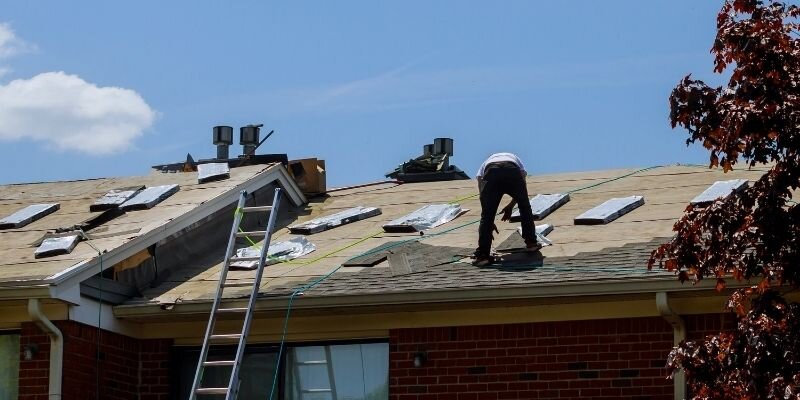
A seller called me on a Tuesday afternoon, frustrated and already in panic mode. She’d just gotten off the phone with her real estate professional, who told her the inspection report flagged the roof as a “priority concern,” and two buyers in a row had backed out. One repair request had ballooned into a full renegotiation, and she still hadn’t sold. This is a situation I’ve seen play out more times than I can count here in the Pacific Northwest, and it never has to go that way.
Should I Replace My Roof Before Selling My House?
The Brennan family came to me last winter on a Wednesday, right in the middle of a messy divorce. They owned a three-bedroom ranch in Gresham with a 19-year-old shingle roof, a cracked fascia board, and a garage packed floor-to-ceiling with tools and lawn equipment that neither party wanted to deal with. Neither of them had the bandwidth or the budget to manage a full roofing project while splitting assets (a 19-year-old roof is already past most lender comfort zones). They just needed the sale handled cleanly so they could both move on.
We bought the house as-is. No contractors, no roofer quotes, no staging. The Brennans walked away with cash in hand and skipped the whole mess. This option isn’t right for everyone, but it illustrates a point that gets buried in most roof articles: the decision to replace depends entirely on your circumstances, not on some universal rule.
Median home sale prices across Oregon and Washington ran between roughly $500,000 and $640,000 as of mid 2026 depending on the market, which means a roof that costs $15,000 to replace could represent a real chunk of your net proceeds. Whether that investment makes sense for you comes down to three things: the condition of the roof, how much time you have before listing, and what buyers in your specific market actually expect.
Sellers in Battle Ground, Ridgefield, and the Camas area are not working in the same market as sellers in Seattle or Lake Oswego. The buyer pools are different. The insurance requirements are different. What a buyer in Longview will tolerate on a roof inspection is not what a buyer in Camas will let slide. Every decision in this article needs to be filtered through your local context, which is why talking to someone who knows the area matters before you spend a dime on repairs or prep work.
Get the value you deserve when you sell your home for cash with a fair offer and a smooth process.
What Home Buyers Actually See When They Look at Your Roof
“My roof looks fine from the street, so why would buyers care?” That’s something sellers say to me regularly, and it’s understandable. Living in a house for 15 years, you stop noticing what fresh eyes notice the moment they pull into the driveway.
Buyers register the roof as one of the first visual cues they absorb, even before they’ve fully processed the thought. A roof that looks solid signals that the house has been looked after, and that major expenses aren’t lurking right around the corner. The subconscious read happens in seconds, and it shapes every offer they make.
Pacific Northwest buyers have picked up a concern that barely registered a few years ago. Homeowner’s insurance is no longer a formality here. A newer roof impresses both buyers and insurance companies, and certain carriers will drop premium costs when a home has a roof that meets their age and material standards, especially if it offers better resistance to wind and storm damage. The sharper issue is how carriers treat an older roof. Once a roof passes roughly fifteen years, many insurers shift it from replacement cost coverage to actual cash value, which means a future storm claim pays the depreciated value of an aging roof rather than the cost of a new one. A buyer who has been through that once asks about roof age early. A home with a 22-year-old roof in Centralia or Chehalis can sit on the market while buyers work out what insuring it will actually cost them.
Curb appeal plays into this, too. A new roof refreshes an aging exterior into something that reads as polished, and architectural shingles or other dimensional materials add visual contrast that buyers can spot from the street. Worn shingles, dark streaking from algae, or curling edges send a message that the seller has been deferring maintenance, and buyers start wondering what else has been deferred (often pulling out their phones to photograph it).
Signs Your Roof Needs Repair or Replacement Before You List
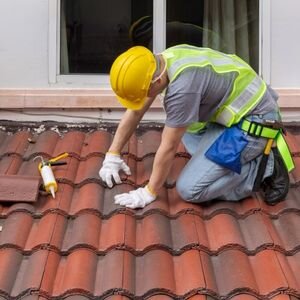
So you’ve acknowledged that buyers pay attention. Now you need to determine whether your roof is actually a problem or just old-looking.
Age is the starting point, but it’s not the whole story. A 15-year-old roof in Washougal that’s been maintained, re-sealed, and inspected annually is in a very different position than a 12-year-old roof in Salmon Creek that’s been ignored. What you’re looking for is the combination of age plus visible symptoms plus what a licensed roofing contractor or home inspector is likely to flag.
Missing, curling, or cracked shingles are the obvious ones. Granule loss is trickier because it happens gradually, but if you’re finding piles of gray grit in your gutters, that asphalt shingle roof is past its prime. Dark streaks across the shingles usually mean algae growth, which doesn’t always mean structural failure, but will absolutely come up in an inspection and give buyers ammunition to negotiate. Sagging sections, whether along the ridge or between the trusses, are the most serious sign and typically mean wood rot has set in underneath.
Inside the attic matters too. Daylight visible through the decking, staining on the rafters, or a musty smell after rain are all indicators that the roof has already allowed moisture intrusion. Proper ventilation failures show up in the attic before they show up anywhere else. A roof that’s losing the fight against the Northwest’s damp winters will have compromised ventilation, which lets warm indoor air condense against the cold underside of the decking and speeds up deterioration from the inside out.
Have you walked your property after a heavy rain recently? Standing water pooling near the foundation sometimes traces back to clogged or damaged gutters that have been pulling away from a fatigued roofline for years.
How an Inspection Report Can Make or Break Your Sale
What happens when the buyer’s inspector flags the roof, and you weren’t prepared for it?
Most sellers go into the process assuming the inspection is just a formality, and that assumption has killed more than a few sales I’ve watched fall apart. An Oregon certified home inspector is required to observe and describe roofing conditions as part of a standard inspection, and a negative roof finding can trigger everything from a renegotiation to a full buyer withdrawal. A new roof not only helps with resale value but also speeds up the sale process, reduces back-and-forth negotiations, and can help a home appraise higher during the financing stage.
Here’s the pattern I keep seeing: sellers list without addressing a marginal roof, get an offer, survive to the inspection, and then lose two to four weeks of contract time while attorneys and experts haggle over credits and repair escrows. By the time those negotiations collapse, you’ve lost your best buyer, re-listed at a lower price, and now every new buyer wonders why the property came back on the market. The roof issue didn’t just cost money; it cost time and momentum.
Mortgage lending adds another layer of complexity. Both conventional loans backed by Fannie Mae and FHA loans have property condition standards that appraisers enforce. A roof with apparent end-of-life issues can kill the appraisal or require a lender-mandated repair before closing can happen. Buyer financing makes this matter directly. Cash buyers are more flexible, but even cash buyers use inspection findings to push your price down.
Homes in the Portland metro area averaged 55 days on the market in June 2026, with inventory at 3.1 months. That is still enough runway for a flagged roof to become a deal-breaker. Buyers have options right now. They don’t have to absorb your deferred maintenance.
At Northwest Real Estate Solutions, we buy houses and help homeowners avoid the complications of traditional real estate transactions.
What the Law Says You Must Disclose About Your Roof

Getting this wrong can follow you past the closing table and into a courtroom.
Sellers must disclose under Oregon law, ORS 105.462 through 105.490, what they actually know about the condition of the property, on a seller’s property disclosure statement delivered to every buyer who makes a written offer. A leaking roof, a roof with known structural damage, or a roof you’ve had professionally assessed and found to be in failing condition all fall squarely under that requirement. Trying to hide it is not a gray area; it’s a statutory violation.
You need the paperwork here. Having had a roofing contractor out to inspect in the last few years means that documentation exists and should be disclosed. If you received an insurance claim for roof damage and accepted a payout but didn’t complete the repairs, that is something buyers and their attorneys will eventually discover, since insurance claim history follows the property rather than the owner.
The Oregon Construction Contractors Board licenses the contractors who do this work, and a buyer who later discovers undisclosed roof problems has legal standing to pursue damages under the disclosure statutes above. This is not a scare tactic; that’s just how seller liability works here.
Sellers who partially disclose often create more problems than those who fully disclose. Sellers who say “we had some repairs done” without providing documentation create uncertainty that sophisticated buyers and their experts find more alarming than a clear problem with a clear paper trail. List the repair date, the contractor name, and what was done (permits pulled, not just receipts). Vague disclosures invite scrutiny.
The Partial Repair Option That Saves Money Without Scaring Buyers Away
Sit across from enough sellers at their kitchen tables, and you start to hear the same fear: “I can’t spend thirty thousand dollars on a roof I’m about to sell.” That’s a fair concern. And a full replacement isn’t always the right answer.
Partial repairs, targeted at specific problem areas, can bring a roof from “inspection red flag” to “inspector notes, no immediate action required.” That’s a meaningful difference. A roofing contractor who comes out and replaces two damaged sections, re-seals the flashing around chimneys and skylights, and cleans out the gutters can transform the inspection narrative for a fraction of the full replacement cost (sometimes under a single day’s work).
Roofing contractors in the Portland area, from Gresham to Beaverton to Oregon City, will often provide a written assessment that separates cosmetic wear from functional failure. This assessment, combined with a receipt showing the repairs were completed by a licensed roofer, hands buyers something they can take to their insurance company (which carriers actually want to see). The conversation shifts from “we need you to replace the whole roof before we close” to “we see the seller addressed the reported issues.”
A roofing specialist can also provide a roof certification, which gives buyers a formal statement about the roof’s remaining useful life and can go a long way toward reassuring nervous buyers. In this market, that certification can be what keeps a buyer’s policy on replacement cost coverage instead of actual cash value.
The partial repair route works best when the roof is ten to fifteen years old, structurally intact, but showing surface wear. If the decking underneath is compromised, or if moisture has already gotten into the structure, partial repairs won’t satisfy an inspector or a lender. At that point, you’re looking at a full replacement or an as-is sale. Remodeling Magazine’s Cost vs. Value Report is worth reviewing to understand what different repair scopes return at resale before you commit to a number.
When a New Roof Is Your Strongest Negotiating Weapon
A new roof on a Northwest home isn’t just a maintenance item; it’s a pricing argument.
Buyers in markets like Happy Valley, Sherwood, and Wilsonville are comparing listings on spreadsheets. Insurance quotes are part of that comparison. A home with a two-year-old architectural shingle roof commands a real premium because the buyer knows their insurance premium will be lower, they won’t face a replacement for 20-plus years, and no inspector is going to flag it. Peace of mind has a dollar value, and you’re entitled to a price for it.
When you can hand a buyer a warranty packet at the offer stage, the negotiating power shifts completely in your favor. Manufacturers of quality asphalt shingles and architectural shingle products routinely offer 25 to 30-year transferable warranties. Transferable means the buyer inherits it at closing, so they’re not starting the clock from zero on a major system. A concrete, documentable benefit sets your listing apart from three other comparable homes on the same block, all of which have older roofs the buyer will need to budget for.
The 2025 Cost vs. Value data shows that a mid-range asphalt roof replacement recovers roughly 65 to 70 percent of its cost at resale. That number is the floor, not the ceiling. Oregon is one of the stronger roofing markets in the country on this measure, with sellers recovering roughly 73 to 76 percent of an asphalt roof replacement in the 2025 data against a national state median near 67.5 percent.
New roofing materials also help you with positioning. Modern roofing products with energy-efficient ratings reduce heat transfer into the attic, and insurance companies factor roof age heavily into their premium calculations, with some carriers offering discounts of 20 percent or more depending on the materials used. For a buyer already stretched by the Northwest’s insurance market, that reduction is real money every year (and it shows up at closing too).
What the ROI Data Really Shows About Roof Replacement Before Selling
The return-on-investment calculation that most articles skip is the one that accounts for what happens when you don’t replace the roof.
Most ROI discussions focus on the ratio: you spend $X, you get back $Y. In the 2025 Cost vs. Value Report, homeowners who replaced their roofs with asphalt shingles saw an average ROI of around 68 percent, while metal roofs came in closer to 50 percent. Those are national averages. As noted earlier, Oregon runs meaningfully above them.
But the calculation doesn’t stop there. A bad roof produces what I’d call invisible costs: price reductions extracted during negotiations, sale price concessions to buyers who use inspection findings as leverage, and carrying costs when a sale falls through and you re-list. A property with known roof issues sits longer than average, and every extra week on the market adds another mortgage payment, another insurance premium, and more HOA fees on your side of the ledger.
Roof replacements in 2025 generally run between $4 and $11 per square foot, putting most full replacement projects somewhere in the $8,000 to $30,000 range. That spread is wide because it depends on the size of your home, the pitch of your roof, and the material you choose. Architectural shingles cost more than three-tab asphalt but return more per dollar in both buyer appeal and insurance positioning. Oregon roofing contractors will give you a per-square estimate quickly (steeper pitches always cost more), and it’s worth getting two or three before committing.
ROI also has a hidden element related to financing. A buyer using FHA or conventional mortgage lending needs the home to appraise. If an appraiser downgrades the property’s condition due to roof concerns, your effective sale price drops regardless of what the contract says. Replace the roof, and that appraisal risk vanishes (I’ve watched sales fall apart over this). The National Roofing Contractors Association publishes guidelines that appraisers often reference when evaluating roof condition.
Should You Repair Your Roof or Sell As-Is?
For a long time, my default lean was to push sellers toward some level of repair before listing. I thought it always produced a better outcome. I’ve been proven wrong enough times to rethink that.
Sellers with limited capital, tight timelines, complicated titles, or properties with multiple deferred maintenance issues tend to come out ahead by pricing the condition into the sale from day one rather than spending cash on repairs that don’t fully recover at resale. The Brennan family in Gresham is a prime example. Spending $18,000 on a roof to sell a house with other issues, at a lower price point, in a market with abundant inventory, rarely pencils out.
Buyers across Washington have more inventory to choose from than they’ve had in years, with active listings up nearly 20 percent year over year as of July 2026, and sellers who price accurately and prepare properly are the ones attracting offers. “Prepare properly” doesn’t always mean fix everything. Sometimes it means pricing honestly, disclosing clearly, and letting the right buyer find the property.
Cash buyers and direct investors, like the team at Northwest Real Estate Solutions, buy properties in their current condition. No repair requirements, no inspector contingencies, no lender conditions. If the math on a new roof doesn’t work for your situation, selling as-is to a trusted local buyer is a legitimate strategy, not a last resort.
The as-is sale works best for sellers who: can’t fund the repair out of pocket, need to close fast, have a property with multiple condition issues beyond the roof, or simply don’t want to manage contractors and timelines. The trade-off is that the sale price will reflect the condition. A buyer who takes on an aging roof takes on risk, and they price that into the offer. That’s arithmetic, not charity.
How to Decide What to Do with Your Roof Before You Sell
Sellers expect this to be a straightforward checklist decision. The roof either passes or it fails, right? In practice, the answer depends on five different factors that rarely line up neatly.
Your equity position is the first factor most people don’t run before calling a contractor. If you have strong equity in the home, spending $12,000 to $20,000 on a new roof to recover $8,000 to $14,000 in value while reducing days on market might make sense. If you’re close to your mortgage payoff and margins are tight, the same math leads to a different answer.
Your timeline is the second factor. Roofing projects in the Northwest are boxed in by the dry season, roughly mid-May through early October, and good contractors book that window out months ahead. Scheduling a full replacement and listing the home before it’s complete creates its own complications. If you need to close in 30 days, a repair might be the most realistic scope. A full replacement needs six to ten weeks of lead time from contractor quote to final inspection sign-off, so starting late in the season can push your closing well into the following year.
Third: sellers underestimate how much the buyer’s financing type matters. A cash buyer doesn’t need an appraisal and won’t have a lender flagging roof condition. A buyer using VA or FHA financing is subject to stricter property condition standards. Know your likely buyer pool before deciding how much to spend.
Fourth: What comparable properties are offered in your neighborhood? If every other home in Tualatin or Newberg that’s sold in the last six months had a newer roof, you’ll feel that gap in your price. If the neighborhood has a mix of roof ages and buyers already expect to account for it, the math shifts.
Fifth: Get at least one professional roofing assessment before making any decision. Not a quote, an assessment. A licensed roofer who walks the property and tells you the roof has five to seven years of functional life left is giving you information that directly affects your disclosure obligations and your negotiating position.
Work with a Local Real Estate Expert Before You Decide
Roughly $500,000 is what the median home in Oregon was selling for in mid 2026. That’s a lot of money to leave on the table because of a roof decision made without the right information.
Tom Kim had been quietly paying two mortgages for almost a year by the time he called me on a Friday morning. He owned a two-story home in Vancouver, a four-bedroom with a converted garage workshop and a 17-year-old roof that he’d had partially repaired twice. Tom had tried to list it twice, watched both sales fall apart during inspection, and was running out of patience and savings. He didn’t need a contractor. He needed someone to look at the whole picture with him and give him a straight answer about what made sense.
We walked the property, reviewed what the repair history showed, and talked through the numbers honestly. Tom decided to sell as-is rather than invest more in a roof that was already showing structural fatigue underneath one section. We closed in about three weeks. He got to stop paying two mortgages and move on with his life.
That kind of conversation is what Northwest Real Estate Solutions does for homeowners across Oregon and Southwest Washington. Not every seller needs to replace their roof. Not every seller should sell as-is, either. The right answer is specific to your property, your equity, your timeline, and your market. A real estate professional running a comparative market analysis can tell you what buyers in your neighborhood are expecting. A direct buyer can tell you what your home is worth today in its current condition. Getting both of those perspectives before you commit to a costly roofing project is just smart, and I’ve found that most sellers who skip this step end up leaving money on the table one way or the other.
The market here has shifted. The Portland metro real estate market in 2025 was a story of stabilization rather than swings, with prices roughly flat, more inventory on the market than the year before, and success for sellers coming down to smart pricing and preparation. A roof that derails your sale in this environment costs more than just the repair bill. It costs you momentum in a market where momentum matters.
If you’re weighing your options and want a no-obligation conversation about your specific situation, reach out to Northwest Real Estate Solutions. We know this market, and we’ll give you a straight answer, not a sales pitch.
Frequently Asked Questions
Is It Worth It to Replace a Roof Before Selling Your House?
It depends heavily on your equity, your timeline, and the condition of the roof itself. For sellers with solid equity in a neighborhood where buyers are financing with conventional or FHA loans, a replacement often makes sense because it removes a major inspection obstacle and supports a stronger appraisal. If you’re tight on cash or need to close quickly, selling as-is to a direct buyer may return more net proceeds than spending $15,000 to $25,000 on a roof before listing.
What Should You Not Fix Before Selling Your House?
Cosmetic upgrades with low returns and high cost are usually not worth pursuing, things like full kitchen remodels, luxury bathroom renovations, or landscaping overhauls that exceed neighborhood norms. Structural and safety issues are a different matter and generally need addressing or disclosing. Focus your pre-sale spending on the items buyers and inspectors flag as deal-killers: roofs, HVAC systems, electrical panels, and plumbing. Everything else can often be handled through pricing rather than repair.
Does a 20-year-old Roof Need to Be Replaced?
Not necessarily, but it’s close. Most standard three-tab asphalt shingle roofs carry a functional lifespan of 20 to 25 years, while architectural shingles can last 25 to 30 years under good conditions. A 20-year-old roof in the Northwest has spent two decades under near constant winter moisture, heavy shade, and moss pressure that shortens its life compared to roofs in drier climates. Have it assessed by a licensed roofer. If it shows granule loss, soft spots, or decking damage, replacement is worth considering. If it’s structurally sound, a roof certification may be enough to satisfy buyers and their insurance companies.
If you want to talk through your options before deciding what to do with your roof, we’re here. No pressure, no obligation. Just a real conversation about your property and what makes the most sense for your situation.
Helpful Oregon Blog Articles
- Who Is Responsible For HOA Fees At Closing In Oregon
- Should I Replace My Roof Before I Sell My House
- Cost to List on MLS in Oregon
- How to Sell a House With Tenants Not Paying Rent in Oregon
- Quitclaim Deed Divorce in Oregon
- Can Medical Bills Take Your House In Oregon
- When Is It Too Late To Stop A Home Foreclosure In Oregon
- Cheapest Places to Live in Oregon
- How to Find a Realtor in Another State Before You Move
- Selling a House With Septic Tank Problems in Oregon
- How Oregon Families Can Sell a Parent’s House to Cover Care Costs
- I Cant Sell My House What Are My Options
- Should I Sell My House and Move to an Apartment
- Can My Ex Partner Sell Our House Without My Approval in Oregon
- Who Pays Real Estate Agents in Oregon