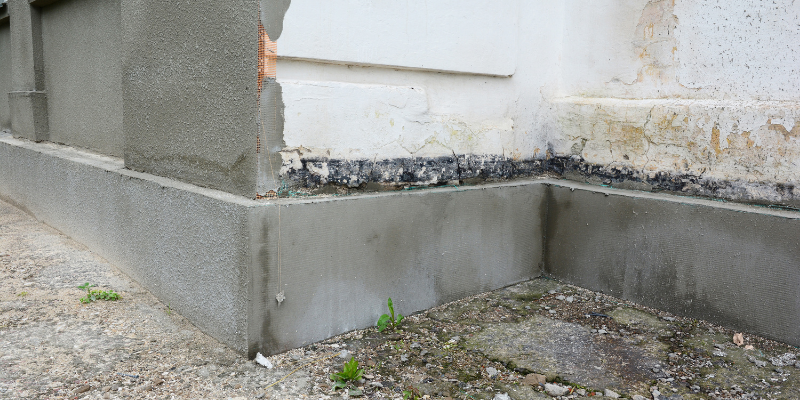
Selling a house with foundation issues in Oregon can be daunting, but it’s not impossible. With a well-informed approach, homeowners can navigate these challenges and close sales successfully. This guide offers practical tips and insights to help sellers present their properties attractively while addressing potential buyers’ concerns. Understanding Oregon’s unique market dynamics and disclosure requirements can create transparency and trust, leading to a smoother transaction. Whether you’re a seller looking to resolve foundation issues or a buyer considering a purchase, this resource provides essential knowledge to make informed real estate decisions.
Key Highlights
- Understanding foundation issues is crucial for addressing buyer concerns and maintaining market value.
- Identify and disclose common foundation problem signs, like wall cracks and sticking doors, early on.
- Foundation problems can significantly reduce home value and complicate the selling process.
- Evaluate repair costs versus the increase in value when considering pre-sale foundation work.
- Transparent disclosures and strategic marketing are key in attracting buyers to homes with foundation issues.
Understanding Foundation Issues in Your Home
Understanding the root of the problem when selling a home with foundation issues in Oregon is very important. Foundation issues can make the selling process much more difficult and significantly reduce the home’s value. Before putting your home in Oregon on the market, you need to learn how foundation issues are discovered and how they impact value. This explains how to respond to buyers’ concerns to make the selling process easier. Finding these issues first allows you to make repairs and helps you sale with the market.
Identifying Common Signs of Foundation Issues

Catching foundation problems early can make a significant difference, both in preventing further damage and in protecting your home’s market value before you sell.
The most common warning signs include cracks in walls or ceilings, uneven or sloping floors, doors and windows that stick or no longer close properly, gaps around window frames, and moisture in the basement. While some of these, like hairline cracks, may appear minor, they can point to more serious underlying issues that worsen over time if left unaddressed.
A professional inspection is the most reliable way to know what you’re dealing with. A qualified inspector can identify the root cause of any problems, assess the extent of the damage, and outline what repairs are needed, whether that’s a straightforward surface fix or something more involved, like underpinning to stabilize the foundation. In Oregon, foundation repair services can address a wide range of issues while ensuring the work meets local building codes.
For sellers, taking this step before listing has a practical advantage. A home with documented, addressed foundation concerns is a far easier sell than one where buyers are left guessing. It reduces buyer hesitation, supports a stronger asking price, and gives you more control over how the property is presented. Proactively identifying and disclosing foundation issues signals to buyers that the home has been well-maintained. That transparency goes a long way toward building the confidence needed to close a transactions.
Impact of Foundation Problems on Home Value
When it comes to your home, problems with the foundation can affect its value and the difficulty of selling it. Homes with foundation problems in Oregon listings are priced lower, have a smaller pool of potential buyers, and present negotiation challenges.
The greatest concern of most potential buyers is the cost of foundation repairs. The cost of repairs can vary greatly depending on the extent of the foundation problems, the methods needed to fix them, and even the home’s location. Potential buyers calculate these issues in their offer; foundation issues can cause home sellers to get lower offers, a greater time to find a buyer, and the potential of the seller having to lose a lot of money due to the problems with negotiating.
A home with foundation issues still can be sold. Buyers who target these types of homes include investors, flippers, and experienced renovators. For these types of buyers, the important things are that the home is well-priced and that the foundation issues are anticipated. When a home is well-priced and the issues are documented, buyers do not have to negotiate as aggressively to purchase the home.
Requesting a professional inspection early on is beneficial for the seller. When a seller knows the extent of the damage, they can price the home to reflect it and make an honest disclosure. Additionally, the seller can clearly describe the home’s strengths and the challenges it presents to buyers. This preparation can show good faith to the buyer and help speed the sale of the home.
Foundation issues can sell a home or damage its value. Foundation problems should be priced, repairs should be disclosed, and honest repairs should be made. Failing to address these issues will put off most buyers.
Should You Make Repairs Before Selling?
In Oregon, selling homes with foundation problems can be tricky. One of the biggest problems is deciding whether to repair the foundation before listing the home. To see if this approach is good, weigh the costs of the repairs against the possible value of the home post-repairs, and against the possible value of the home after listing the repairs. Sellers can also sell homes faster by avoiding price negotiation and repairs. Potential buyers are also more likely to make offers if foundation problems have already been repaired before listing. Unfortunately, not all repairs are worth it, so deciding what repairs should be done is important
When Foundation Repair Is Worth Considering
The question of whether to fix a foundation issue before selling depends on whether the costs are likely to cause a sufficient increase in the profit from selling the property as-is.
First, you should get a professional foundation inspection. Knowing the extent of the foundation’s issues and deciding if the repairs are worth doing is essential to making a smart decision.
When foundation issues are not extensive, they can be quickly repaired, and the home can be shown in a better marketing light with a higher asking price and fewer foundation problems during negotiations. Fixing foundation issues helps sell the home quickly because buyers are worried about blemishes and structural integrity.
When structural foundation repairs are too much of an investment, the better route is to be upfront and price it right as is. For extensive foundation work, reinforced homes will cost less. Below-market-value properties attract opportunistic buyers looking to flip right. Foundation repairs usually cost too much.
In the end, the decision comes down to the extent of the damage, the cost of repairs, and the need for the sale to proceed urgently. Considering these 3 factors, along with an inspector and a local real estate agent, should help guide you to the decision that keeps you most protected.
How to Sell a Home with Foundation Issues
Foundation issues don’t have to be a sale breaker when selling your home. By applying different techniques, you can still effectively sell your home and even market it to buyers who are okay with foundation problems. This guide will show you how to sell your home for the best value, even with foundation issues, and how to find buyers who are willing to buy a home with foundation problems.
Key Strategies to Market a House with Problems

To successfully market a home with foundation damage, a strategy that emphasizes honesty, a fair price, and identifying target buyers is important.
Full disclosure is a great place to begin. A detailed seller’s disclosure outlining foundation damage helps set a constructive tone, improves compliance, and reduces future legal issues. Buyers will appreciate having issues disclosed vs. surprises. Building trust keeps the buyers from pulling their offer.
Focus on the home’s positive attributes. Issues with the foundation won’t be the only thing buyers remember about the home. Other attributes like updated features, a good location, or a spacious layout are great attributes buyers will appreciate, as are a strong foundation and a clear title. Small cosmetic updates like a freshly painted trim, clean, and some updated decor, or minor improvements in used spaces can help the home feel new and signal to buyers that the property has been well-maintained rather than neglected.
Price the home fairly from the start. A local appraiser will be able to determine the home’s fair market value and document its condition and the potential value after repairs. When a home is reasonably priced, serious buyers are drawn to it quickly, minimizing the chance of it being on the market for a long time.
Investors, house flippers, and DIY inclined buyers are specifically looking for as-is homes. Marketing specifically to these types of buyers and explaining post-repair potential value can help the home fill a positive role rather than a negatively priced liability.
Be flexible with your terms, and be willing to negotiate. Providing repair credits and price adjustments based on repair estimates shows flexibility. Buyers are more likely to take the next step when they see that the repair costs are reasonable and the seller is willing to accommodate.
Finding Buyers Who Will Consider Foundation Issues
The market for homes with foundation issues is more active than most sellers expect. In Oregon, where diverse property conditions are common, three buyer types are worth targeting: cash buyers, real estate investors, and first-time homeowners willing to accept repair needs in exchange for a lower price.
Cash buyers are often the most practical option. They aren’t subject to lender requirements tied to property condition, so foundation issues are far less likely to derail a transaction. Companies like Northwest Real Estate Solutions specialize in purchasing Oregon homes as-is, including foundation problems, making them a strong fit for sellers who need to close quickly without incurring costly upfront repairs. They also buy houses for cash in Portland, OR, and neighboring cities, helping homeowners without the hassle. Contact Northwest Real Estate Solutions at (541) 399-9535 today!
Investors seek below-market properties they can improve and resell at a profit. Sharing repair cost estimates and projected post-renovation value can solidify their interest. First-time buyers priced out of the traditional market may also see a discounted home with known, manageable repairs as a worthwhile entry point.
Across all groups, detailed inspection reports and honest documentation of known defects build the confidence needed to move transactions forward. Repair credits and price adjustments that reflect foundation costs further reduce buyer hesitation.
Reaching these buyers through fixer-upper platforms, real estate investment communities, and local cash buyer networks, including companies like Northwest Real Estate Solutions, puts your property in front of people actively looking for what you’re selling. With transparent pricing, clear disclosures, and the right audience, a successful sale is well within reach.
Legal Requirements and Disclosures
When selling a house in Oregon with foundation issues, it’s important to know about the legal obligations and disclosures involved. Knowing these things can help prevent future issues and attract knowledgeable buyers. Complying with state regulations means you can be clear about the house’s condition, which buyers appreciate. Knowing what home sellers are obligated to disclose and the consequences of failing to be honest is particularly important when foundation issues are involved, and will help you to sell the home legally and ethically.
What Home Sellers Must Share by Law
In Oregon, all sellers are required by law to prepare a good-faith disclosure statement that includes all known foundation issues, no matter how small, as well as any minor damage that has been repaired. This is not optional. Failing to disclose issues can lead to legal consequences if a buyer finds problems you didn’t disclose after closing.
Your disclosure must include the property disclosure report, which details all foundation issues. This inspection report details the damage/repair costs, repair records, which document past work, the approach taken, and the repair outcomes.
While this clearly helps you meet the legal minimum, you are likely to gain buyer confidence and draw attention to other areas of the property that may need repair. This eliminates the guesswork for the buyer. As a seller, you can further accommodate the buyer by lowering the price to cover repairs. This gives the buyer confidence and eliminates any further work on their part.
Ensuring Transparency to Avoid Future Liability

In Oregon, the law requires you to disclose foundation issues to buyers. Practicing disclosure will reduce the likelihood of disputes after the sale, allegations of misrepresentation, and legal action from buyers who allege you sold them the house under pretenses.
The disclosure is based on the foundation inspection. If you bring the buyers a recent inspection, along with the required repairs and their costs, you increase their trust, reduce their fear of undetected issues, and strengthen their belief that you are entering this transactions with integrity.
The law requires you to document your knowledge of defects on the property disclosure and provide inspection reports and repair estimates. If you don’t disclose foundation issues, the law and your finances are at risk. After the repairs are completed, the buyer may demand that you pay for them, even after the sale.
The law gives you the right to withhold foundation issues, but it may provide a legal advantage to be open and honest about the foundation issues. You may provide foundation repair concessions. Buyers appreciate goodwill, and this may be the legal advantage you need to close the transactions.
You will keep your transactions on track with full disclosures. You will build your legal and financial protection by ensuring you have the legally required and honest documentation to support your disclosures.
| Legal Requirement | Disclosure Obligation | Potential Consequences |
| Mandatory Disclosure Forms | Accurately complete and submit required forms detailing known foundation issues. | Failure to disclose can lead to legal disputes and financial penalties. |
| Provision of Inspection Reports | Offer existing inspection and repair reports to prospective buyers. | Improper documentation may delay the sales process or lead to contract cancellation. |
| Disclosure of Repair Estimates | Provide potential buyers with estimates for foundation repairs. | Insufficient information can lead to mistrust and reduced buyer interest. |
| Transparent Communication | Engage in open communication about the impact of the foundation issues. | Lack of transparency could result in loss of sale or legal action post-sale. |
This table highlights how adherence to legal and transparency requirements in foundation disclosures can prevent future liabilities and support successful sales.
FAQs
Can I sell a house with foundation issues in Oregon?
Yes, selling a house with foundation issues in Oregon is possible. The key is to be well-informed about the market dynamics and disclosure requirements specific to Oregon. Transparency with buyers is crucial, and understanding the extent of the issues can lead to a smoother transaction.
What are common signs of foundation issues?
Common signs of foundation issues include cracks in walls and ceilings, uneven floors, sticking doors or windows, gaps around window frames, sloping floors, and moisture in the basement. Identifying these early can save your home from severe damage and maintain its market value.
Should I repair foundation issues before selling?
Deciding whether to repair foundation issues before selling involves evaluating repair costs versus the potential increase in value. Minor repairs can enhance marketability and appeal to buyers seeking stability, while extensive damage may require transparency and pricing adjustments.
How do foundation issues affect my home’s value?
Foundation issues can significantly reduce a home’s value and complicate the selling process. They can lead to reduced offers and necessitate price reductions or concessions. Being upfront about the issues helps set realistic buyer expectations.
What should I include in a seller’s disclosure for foundation issues?
A seller’s disclosure for foundation issues should include a comprehensive account of known problems, inspection reports, previous repairs, and cost estimates for necessary repairs. Transparency with potential buyers is crucial to avoid future liability and disputes.
Helpful Oregon Blog Articles
- Who Is Responsible For HOA Fees At Closing In Oregon
- Guide To Oregon Inheritance Laws
- Paperwork For Selling Your Oregon Home by Owner
- Understanding Squatters’ Rights In Oregon Real Estate
- How To File A Quitclaim Deed For Real Estate In Oregon
- Homeowners Insurance When Selling a House in Oregon
- Can You Sell a House with Asbestos in Oregon
- How to Sell a House with Mold in Oregon
- Who Pays Taxes When Selling a House in Oregon?
- How to Sell a Condemned House in Oregon
- Can the Seller Back Out of a Contract in Oregon?
- How Much Equity Do I Need to Sell My House in Oregon?
- Taxes When Selling an Inherited House in Oregon
- Do Open Houses Still Work When Selling a Home in Oregon?
- How to Sell a House with Flood Damage in Oregon
- Is the Seller Responsible for Any Repairs After Closing in Oregon?
- Can an administrator of an estate sell property in Oregon?
- Selling a Rental Property in Oregon
- Does Staging Help Sell a House in Oregon?
- How to Sell a House with Foundation Issues in Oregon