
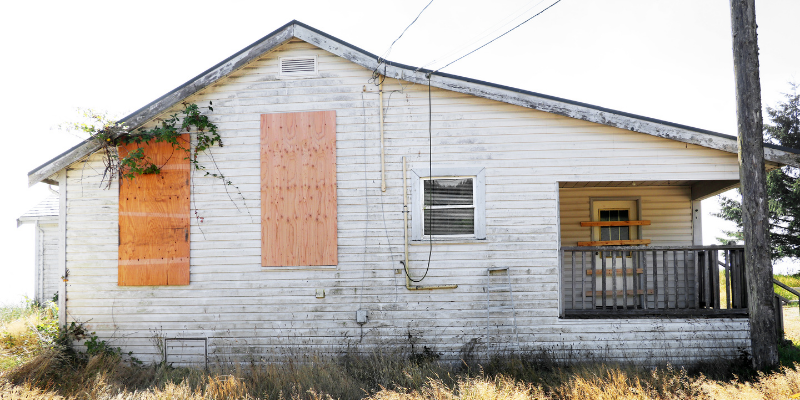
Somewhere between Portland and wherever you’re reading this right now, there’s a distressed Oregon house sitting with your name on the deed. Maybe the furnace gave out last winter. Maybe a tenant trashed the kitchen in Gresham before they left, and you’ve been getting calls from neighbors ever since. Maybe you inherited it from a parent who passed, and you’ve been paying property taxes on a place you haven’t stepped inside in two years.
I’ve seen that situation dozens of times. And the gap between knowing you need to sell and actually knowing how to sell from 500 miles away is where most out-of-state owners get stuck. Understanding how to attract buyers for distressed property is one of the biggest factors in selling quickly, especially when you’re managing the process from another state and need serious buyers who can close without unnecessary delays.
Managing a Distressed Oregon Property From Out of State
Sitting across the kitchen table from a seller, the first thing I ask is simple: What’s the biggest pain point right now? Nine times out of ten, the answer isn’t the condition of the house. It’s the distance, the stress of managing something they can’t see, and the fear that they don’t know their options.
Two weeks ago, I worked through a sale with the Coleman family out of Beaverton. They’d inherited their uncle’s place in the Lents neighborhood in Southeast Portland after a long probate process, a three-bedroom with a detached garage full of old tools and yard equipment nobody wanted to sort through. They’d been trying to manage it remotely for over a year. By the time we talked, they were done chasing the logistics. They just wanted it gone so they could stop being accidental landlords on a property they never asked for. We closed in under three weeks, and they never had to fly back.
Distance locks you into a specific kind of paralysis. Repairs feel bigger when you can’t see them yourself. The tenant situation feels more complicated when you’re relying on secondhand information. Getting clarity on your actual options is what makes the difference between a property sitting for another 12 months and one that’s sold by next month.
As of mid-2026, Oregon’s median home sale price was around $518,000, which means even a distressed property with real problems likely has meaningful equity worth protecting. Selling smart matters.
What Counts as a Distressed Property and Who Buys Them in Oregon
Mislabeling your property’s condition leads sellers down the wrong path entirely. If you list a fire-damaged duplex in Salem on the MLS the same way you’d list a move-in-ready craftsman in the Irvington neighborhood, you’ll burn weeks getting lowball offers from confused buyers who expected something different.
Distressed properties generally fall into a few categories:
- Homes with deferred maintenance or significant damage
- Properties facing foreclosure or carrying unpaid liens
- Inherited homes in unknown condition
- Rentals left in rough shape
Buyers who specifically pursue these homes are a different breed than the families touring open houses in Lake Oswego on a Sunday afternoon. Investors, rehabbers, and direct cash buyers are the audience for distressed property. They price based on what repairs will cost them and what the home will be worth after the work is done, so their offers often look lower than sellers expect until you understand the math behind them.
According to ATTOM’s first-quarter 2026 foreclosure data, Oregon recorded roughly 752 foreclosure filings, about one for every 2,471 housing units. That’s up sharply from a year earlier but still well below the national rate of one filing per 1,211 units. In other words, this is not a flood of distressed inventory, which is good news for sellers: competition among distressed listings remains limited. If your property is one of those filings, the sale date is what narrows your choices, and how long you have to stop a foreclosure in Oregon lays out each deadline.
Cash home buyers, estate investors, and real estate investment companies are active throughout Oregon, from the West Hills of Portland down through Salem and Eugene. They’re comfortable buying as-is; they don’t need financing approved, and they can close on a timeline that works for you. Northwest Real Estate Solutions is one of them. We purchase distressed homes from sellers without the usual listing process, so there are no open houses and no staging.
Can You Sell a Distressed Oregon Home Without Making Repairs?
Sellers don’t have to repair anything before closing. Oregon real estate law does not require a seller to bring a property up to any particular standard of condition before transferring title. Few listing agents are willing to state this fact plainly, because their business model depends on sellers investing in the property before it hits the MLS.

As-is sales are legal and happen every day in Oregon. The distinction is how you sell, not whether you can. When you list as-is on the MLS through an agent, buyers using conventional loans will still have their lender require certain repairs before funding. A buyer using an FHA loan, for example, cannot purchase a home with peeling lead paint, missing handrails, or a roof in obviously failing condition without repairs being completed first. That knocks a large slice of the buyer pool out before you even start, and the smaller the pool of financed buyers, the less your as-is price is worth.
Selling directly to a cash buyer eliminates that problem. No lender, no lender-required repairs. Cash buyers make up roughly 22 to 23% of purchases in the Eugene and Lane County market, according to recent local MLS figures, with comparable shares in other Oregon metros where distressed inventory tends to concentrate. Direct buyers evaluate the property in its current state and price their offer accordingly.
What you give up in price, you often get back in speed, certainty, and the cost of skipping all repairs. A new roof on an older bungalow in Northeast Portland can run $15,000 or more before any decking replacement. If a cash offer is $20,000 below retail but saves you thousands in repairs plus two months of carrying costs, the math changes fast.
What You Are Required to Disclose When Selling a Distressed Home in Oregon
A seller I worked with years ago didn’t mention that the basement flooded every February. She assumed the buyer would figure it out during inspection, which meant she handed the inspector a reason to kill the sale. The sale collapsed at the last minute when the inspector found water-stain lines, and the buyer walked. She lost two months, the earnest money dispute got messy, and she eventually had to disclose the issue anyway.
Oregon sellers are required by law to complete a Seller’s Property Disclosure Statement, which covers known defects in the structure, systems, and site conditions. The keyword is “known.” You aren’t required to hire inspectors to discover problems you don’t already know about. But if you know about the cracked foundation, the mold behind the bathroom wall, or the unpermitted addition in Milwaukie, that information must be disclosed, and buyers’ attorneys tend to find it anyway.
Out-of-state sellers sometimes try to claim ignorance about a property they haven’t visited in years. This works as a defense only if you genuinely don’t know. Courts have found sellers liable when they received complaints from tenants or neighbors that documented a problem, even if the seller never personally inspected the issue. Keep records of every communication related to the property’s condition.
Cash buyers and investors typically accept disclosure statements and move forward anyway. They’re buying the problem. A traditional buyer using retail financing is far more likely to use disclosed defects to renegotiate or exit. Accurate disclosure protects you legally, and working with an experienced buyer who understands distressed properties reduces the chance of a last-minute unraveling.
Title Problems, Liens, and Legal Clouds That Can Stall Your Oregon Sale
A $340,000 Portland sale once collapsed at the closing table over a lien the seller had forgotten about for eleven years. These title issues can make it difficult or impossible to close on the property until they’re resolved.
Liens are the most common obstacle. Property tax liens, contractor mechanic’s liens, HOA liens, and old mortgage seconds can all attach to a property and must be satisfied before title transfers. An estate with multiple heirs and no clear personal representative appointed through the Oregon probate court can’t close at all until that’s sorted. Judgments against prior owners sometimes show up on title searches and surprise sellers who assumed the slate was clean.
A title search run by a licensed Oregon title company will surface these problems early. Get one before you commit to any sale strategy, because a clouded title changes your timeline and sometimes your options. Some title issues take 30 days to clear; others require months of legal work, with quiet title suits being the slowest.
Attorneys familiar with Oregon real estate law can resolve many of these clouds through quiet title actions or negotiated lien releases. If you’re selling an inherited property where the original owner had debts, assume there’s something on title until a search tells you otherwise. Cash buyers with experience in distressed transactions often know how to structure deals around title complications and can recommend title officers and attorneys who’ve handled these exact scenarios before, saving you from starting from scratch trying to find the right people.
Cash Home Buyers in Oregon: What the Process Looks Like
A seller in Springfield came to me with a property that had a failed septic system and an evicted tenant who’d left behind furniture, trash bags, and a chest freezer full of who-knows-what. Within four days of our first call, they had a written cash offer and a closing date.

The speed is real, and it’s not accidental. Cash buyers don’t rely on bank financing, which eliminates the biggest source of sale delays. The process runs in three steps: you contact a cash buyer, they schedule a walkthrough or a virtual tour if you’re out of state, and they produce a written offer typically within 24 to 72 hours. There’s no appraisal or financing contingency. The offer is based on the current condition, not what the home could be worth after renovation. It’s how owners sell their house fast in Portland and across the rest of the state without ever booking a flight.
Once you accept, the buyer opens escrow with a title company. Oregon uses title companies rather than attorneys to handle closings, which is worth knowing if you’ve bought property in states that require closing attorneys. You sign documents; in many cases, out-of-state sellers can sign remotely via notarized digital documents sent by mail or through a remote online notarization service.
At Northwest Real Estate Solutions, we buy homes throughout Oregon and handle the logistics for out-of-state owners specifically. We coordinate walkthroughs with a local contact, work around title complications, and close on a timeline you choose. That holds whether you need to sell your house fast in Salem, reach cash home buyers in Eugene, or move a property in a smaller town where investor activity is thinner. The whole process can be completed in as little as two weeks when the title is clean, longer if probate is involved.
How to Sell a Distressed Oregon Home with an Agent Instead
Some sellers hear “cash buyer” and immediately wonder if they’re leaving money on the table. It’s a fair question, and the honest answer is sometimes yes, sometimes no.
Listing with a real estate agent on the MLS reaches a broader buyer pool and can generate competition that pushes the price up. For a distressed property, that depends heavily on condition. A home that needs cosmetic work but has good bones and a clear title in a neighborhood like Woodstock or Sellwood can do well on the MLS if it’s priced accurately. A home with structural issues, fire or water damage, or serious code violations will struggle to attract traditional retail buyers, regardless of how skilled the agent is, because financed buyers can’t get loans approved for properties that fail inspection thresholds.
In Oregon, agent commissions run 5% to 6% of the sale price. Add closing costs, title fees, and any seller credits the buyer negotiates, and you’re looking at giving up 8% to 10% of the sale price before you see a dollar. Oregon homes have been taking longer to sell than they did during the frenzy of a few years ago, often a couple of months or more, and for a distressed property that number stretches further, especially if inspections trigger repair demands that restart negotiations.
A flat-fee MLS service is a middle path some FSBO sellers use. You pay a few hundred dollars to get listed on the Multiple Listing Service without a full-service agent, handling your own negotiations. It works if you have the time, negotiation skills, and knowledge of Oregon real estate contracts. Managing that from out of state without any local presence is harder than it sounds, and mistakes in purchase agreements can create legal liability.
How to Sell a Distressed Home in Oregon When You Live Out of State
Most remote sellers picture themselves flying back, managing contractors, meeting with agents, attending a closing, and hauling away decades of belongings. That picture is mostly wrong.
Modern real estate closings in Oregon don’t require physical presence. Remote online notarization is legal in Oregon, allowing you to sign closing documents from your kitchen table in Phoenix or Austin. Walkthroughs can be conducted by a local contact, a property manager, or the buyer’s representative using a video call. Property cleanouts can be coordinated by phone alone with local junk removal companies in Portland, Salem, Eugene, or wherever the house sits.
What you do need to manage carefully is communication and documentation. Get a power of attorney drafted if you’re working with a sibling or other family member who’ll act locally on your behalf. Keep a paper trail of every agreement, every repair request, and every timeline commitment. Oregon real estate contracts are legal documents, and misunderstandings about timelines or condition expectations create real risk.
Tax implications matter too. In general, Oregon taxes the gain on a property sale as regular income, and out-of-state sellers typically owe Oregon income tax on any gain from an Oregon property sale regardless of where they live. The specifics depend on your cost basis, how long you held the property, and how it was used, so talk to a CPA before you close. The exclusion rules for primary residences generally don’t apply to properties you’ve been renting out or leaving vacant.
Are you clear on who needs to sign at closing and whether any heirs or co-owners on title are reachable and willing? That question surfaces more often than sellers expect when an inherited property has multiple family members listed.
How Much Money Will You Actually Walk Away with on a Distressed Sale in Oregon?
Sellers of distressed properties in Oregon generally net less than a retail sale, but the gap tends to be smaller than people assume once you account for the costs of getting a distressed property retail-ready. Repair costs come off the top before you ever list. Carrying costs during a long marketing period, such as mortgage payments, taxes, insurance, and utilities, add up quickly on a vacant house. Then come agent commissions, title fees, and buyer credits.

A cash offer on a distressed property is priced below after-repair value, but the seller avoids most of those other deductions. If a home would sell for $400,000 renovated but needs $60,000 in work, a cash buyer might offer $290,000 to $310,000, factoring in their profit margin and risk. That feels like a big haircut until you subtract the actual costs in money, time, and the stress of managing it remotely, since contractors rarely finish on schedule.
Oregon doesn’t have a state-level real estate transfer tax, which puts it ahead of many states in terms of seller closing costs. Washington County is the one exception, charging $1 for every $1,000 of the sale price on homes in Beaverton, Hillsboro, Tigard, and the rest of the county. Everywhere else, county recording fees are modest. On the seller’s side, the biggest variable is agent commissions and the scope of any buyer-negotiated repair credits.
Henry Brooks, a seller I worked with in Tigard, had gotten a contractor estimate to update his dated kitchen before listing. The estimate came back higher than the kitchen’s contribution to the home’s value, meaning he would have spent more on the remodel than it would have added to the sale price. He sold it as-is on a Thursday, skipping the renovation, and the garage still had two old bicycles and a workbench he left behind for us to clear out.
Your Fastest and Cheapest Options to Sell a Distressed Home in Oregon Right Now
Speed and low cost point to the same place: selling directly to a cash buyer without an agent. Here’s how the three main routes stack up for a distressed, out-of-state property:
| Selling route | Typical timeline | Cost to seller | Repairs needed | Best fit |
|---|---|---|---|---|
| Direct cash buyer | ~2–3 weeks | Minimal; no commission | None | Distressed or as-is homes, remote owners |
| Agent / MLS listing | 2+ months | 8–10% of the sale price | Often required for financed buyers | Good-condition homes with a clear title |
| Flat-fee MLS (FSBO) | Varies widely | A few hundred dollars plus your time | It depends on the buyer’s financing | Hands-on sellers with a local presence |
That’s not a slam on real estate agents. Agents add value to the right property. A distressed home that needs extensive work, sits in a market with limited investor activity, or carries title complications is simply not the right property for a traditional listing, and most agents will tell you that privately, even if they won’t turn down the listing.
The fastest path for most out-of-state owners selling a distressed Oregon property is to request cash offers from one or two reputable local buyers, compare them to a realistic net estimate from a listing agent accounting for repairs and commissions, and decide based on real numbers rather than a best-case retail assumption. Direct-buyer programs, the kind that advertise We Buy Houses in Oregon, will usually give you a no-obligation figure within a day or two, which makes that comparison easy to run.
FSBO is an option, but managing contracts, disclosures, negotiations, and a closing from out of state without professional support is a heavy lift. The savings on commissions can evaporate quickly if something goes sideways with a contract or a buyer’s financing falls through.
Frequently Asked Questions
How Do You Sell a House While Living in Another State?
Selling an Oregon home from out of state is manageable if you set up the right support. You can handle most of the process remotely: offers and negotiations by phone or email, document signing via remote online notarization, and closing through a title company without physically attending. The piece that trips people up most often is coordinating walkthroughs and local logistics; having a trusted local contact or working with a cash buyer who handles those details themselves makes a big difference.
How Long Do You Have to Live in a House to Avoid Capital Gains in Oregon?
Oregon follows federal rules for the primary residence exclusion: you generally need to have lived in the home as your primary residence for at least two of the last five years before the sale. If you’ve been renting the property out or leaving it vacant, that exclusion likely won’t apply, and you’ll owe Oregon state income tax on the gain. Oregon taxes capital gains as regular income, so the rate depends on your total income that year. A CPA familiar with Oregon tax law should review your situation before you close.
How Do You Sell a Distressed Property?
The most practical route for most sellers is to request offers from direct cash buyers who specialize in as-is purchases, get a realistic estimate from an agent with experience with distressed listings, and compare the two after accounting for repair costs, commissions, and carrying costs. You’re not required to fix anything before selling in Oregon. Your job is to disclose what you know, resolve any title issues that surface, and choose the path that gets you the best net outcome given your timeline and the property’s condition.
Can I Sell My Oregon Home Without a Realtor?
Yes. Oregon has no law requiring a licensed agent to be involved in a home sale. You can sell directly to a cash buyer, list on the MLS through a flat-fee broker, or sell entirely on your own as a for-sale-by-owner transaction. The tradeoff is that you take on the responsibility of handling disclosures, contracts, negotiations, and closing coordination yourself. For out-of-state sellers managing a distressed property, working with a direct buyer is usually the simpler path because the buyer’s team handles most of the logistics.
If you own a distressed Oregon property and you’re trying to figure out your next move from out of state, contact Northwest Real Estate Solutions. Tell us what’s going on with the property and what you’re hoping to walk away with, and you’ll get a straight answer about what we can offer and what the process looks like. It’s a free, no-obligation assessment: no pressure, no commitment, just a real conversation about your options.
Helpful Oregon Blog Articles
- Is the Seller Responsible for Any Repairs After Closing in Oregon?
- Can an administrator of an estate sell property in Oregon?
- Selling a Rental Property in Oregon
- Does Staging Help Sell a House in Oregon?
- How to Sell a House with Foundation Issues in Oregon
- How Much Are Closing Costs in Oregon
- Selling A House That Needs Repairs in Oregon
- Can You Sell A House Before Probate in Oregon
- Selling a House During Divorce in Oregon
- Best Time to Sell a House in Oregon
- Can You Sell a House in Foreclosure in Oregon
- Can You Sell a House With Termites in Oregon
- Sell a Distressed Home if You Live Out of State but Own in Oregon
- FSBO Costs in Oregon
- How Long Does a Real Estate Contract Last in Oregon