
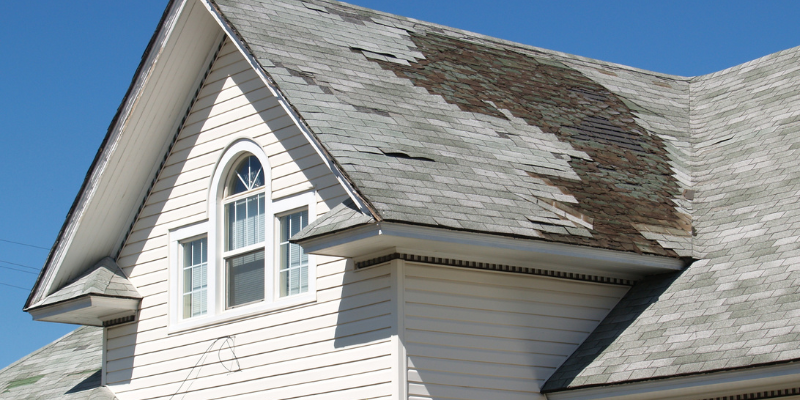
You know that awful moment when you realize your home needs a small fortune in repairs right when you’re thinking about selling? It happens more often than most people think. After buying houses across Oregon for more than six years, I’ve had this conversation with fixer upper owners in every kind of situation imaginable. Sometimes it’s a foundation issue in an older Southeast Portland home that suddenly seems impossible to ignore.
Other times, it’s a roof leak that started during winter storms and never really got handled. Maybe the plumbing in your Bend ranch is starting to fail, or you inherited an older home in Alberta Arts that comes with character, charm, and a very intimidating repair list. The good news is simple: selling a house in less-than-perfect condition is absolutely possible. In fact, many Oregon homeowners do it every year without tackling every repair first. That surprises people, mostly because traditional real estate advice tends to make it sound like you need to renovate your entire house before putting it on the market. In reality, that’s rarely true.
Oregon Real Estate Market Trends for Fixer-upper Properties
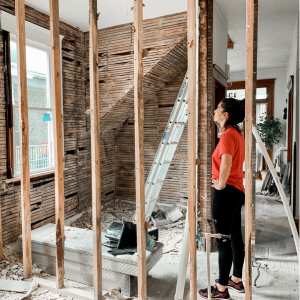
Oregon’s housing market is still relatively competitive, even with some recent shifts. Portland’s median home sale price sat around $525,000 in August 2026, down roughly 4 percent from a year earlier, while Oregon’s statewide median price held closer to $507,000 over the same period. That matters because high move-in-ready prices create demand for homes that need work. Buyers who can’t comfortably afford a fully updated Portland home often start looking at lower-priced alternatives, which makes repair-needed properties much more attractive than sellers sometimes assume.
Homes in Portland are still moving fairly quickly overall, though fixer-uppers generally take longer because average buyers are hesitant when they see deferred maintenance or inspection concerns. That delay is not always negative; it simply means these homes need a strategy tailored to their condition. Inventory remains relatively tight across much of Oregon, which benefits sellers overall. Even properties with visible issues still attract attention because buyers have limited options. A home with problems is not automatically undesirable. It simply appeals to a different kind of buyer, and understanding that distinction is essential.
Essential Home Inspection Issues That Impact Oregon Property Values
Certain repair issues consistently create concern among buyers, especially in Oregon. Foundation problems are usually the most intimidating because of Oregon’s wet climate, shifting soils, and drainage challenges. Older neighborhoods such as Hawthorne, Irvington, and Woodstock are particularly familiar with settling, moisture intrusion, and structural movement. Most buyers hear the phrase “foundation” and think of huge costs, even when the problem is much less significant than they think it is.
Electrical issues also lead to major delays, particularly in older homes with antiquated panels, knob-and-tube wiring, or setups that are not up to date with current standards. Roofing issues are a major sticking point because the weather in Oregon is demanding, and buyers know how expensive roofing work can be.
Plumbing problems arise, such as galvanized pipes, sewer problems, and bad drainage. HVAC systems are more critical than many sellers think. Buyers demand reliable heating and cooling year-round in Oregon’s changing seasons. What makes all of this complicated is that many buyers drastically overestimate repair prices, so sellers typically need to provide clarity and context to minimize fear and build confidence.
Understanding Oregon Disclosure Laws for Properties with Known Defects

Selling a home with known issues in Oregon requires clear and honest disclosure. Under Oregon law, sellers are generally required to provide buyers with a completed property disclosure statement in most residential transactions. This document covers a wide range of topics, including structural concerns, roof leaks, electrical issues, plumbing defects, environmental hazards, and other material facts that could affect a buyer’s decision. If you know about a significant issue, you are generally expected to disclose it.
One of the biggest misunderstandings sellers have is assuming that listing a property “as-is” eliminates disclosure obligations. It does not. Selling as-is simply means the buyer is purchasing the property in its current condition, but it does not protect a seller who intentionally conceals material defects. Attempting to hide known problems can create significant legal exposure later. In most cases, over-disclosure is the safer route. Transparency not only reduces liability risk but also helps establish trust with buyers upfront.
Legal Requirements for Selling As-is Properties in Oregon Counties
In Oregon, you can sell your house as-is, but the legal structure is very much the same regardless of the county you live in. Whether you are selling in Multnomah County, Washington County, Clackamas County, or elsewhere, you still have disclosure duties for the most part. Those duties apply across property types, including single-family homes, condominiums, duplexes, and mobile homes.
Buyers usually have a limited window of opportunity after they receive disclosures to withdraw their offer. This cooling-off period is designed to safeguard purchasers from making misinformed purchases. Some sales may be excluded, for example, certain estate, foreclosure, or court-forced sales, but exemptions are narrow and should never be casually assumed. When there is uncertainty, it is worth getting legal advice. The safest way is to just list known concerns, keep documentation, and use the appropriate as-is language to set expectations.
For homeowners looking to sell their house fast in Oregon, being upfront about the property’s condition can help avoid delays, reduce the risk of disputes, and keep the closing process moving efficiently.
Insurance and Liability Concerns When Selling Damaged Properties in Oregon
Damaged properties often create insurance and liability issues that sellers underestimate. Unsafe circumstances at showings include faulty staircases and unsecured railings, structural hazards, or exposed electrical systems, which can present injury risks. You might be liable if you know of these hazards and someone is injured. Empty homes can also make it more difficult to get insurance coverage, since some plans reduce or eliminate coverage after a specific amount of vacancy.
This is especially true of inherited or troubled homes, which may stay on the market longer. It’s also smart to review your coverage before listing. Documentation is also vital. Keeping images, repair records, and disclosure paperwork might be very significant protection if there are any disputes later. Some sellers even choose to get supplemental liability coverage for an extra layer of peace of mind when offering higher-risk properties.
Cost-effective Repair Strategies for Oregon Homeowners Before Listing
Not every repair is worth completing before selling. Some improvements meaningfully improve buyer perception, while others simply drain money without strong returns. Exterior paint is often one of the most cost-effective updates because Oregon weather is hard on surfaces, and fresh paint signals maintenance.
Another easy and effective upgrade is landscaping. A tidy pathway, trimmed overgrowth, and refreshed curb appeal can do wonders for initial impressions. Interior paint also offers good value, particularly in neutral colors that make areas look brighter and cleaner. Small upgrades to kitchens and bathrooms, such as updating fixtures, cabinet hardware, and lighting, can help boost perception without a major overhaul. If your goal is to sell, and sell well, major renovations are rarely a smart move. Safety and functionality should always be foremost, especially with current leaks, hazards, or clear deal-breakers on inspection.
Pricing Strategies for Houses with Foundation Problems in Oregon Markets
Foundation issues require careful pricing rather than emotional discounting. The first step is to have a trained structural engineer or foundation specialist perform a professional evaluation to determine the actual severity of the problem. Most buyers think all foundation problems are catastrophic, but that is rarely the case.
Some problems turn out to be minor settling or cosmetic fissures rather than major structural failures. Documentation reduces buyer doubt and lends credibility to the price. You need to price based on the actual repair that needs to be done, but you also have to realize that people prefer to mentally discount past actual prices because uncertainty is expensive. Pricing against distressed comps works much better, because comparing only renovated homes sets expectations too high. Pricing items aggressively enough to garner attention and engagement can sometimes build stronger leverage for negotiation.
Staging and Marketing Techniques for Homes with Visible Repair Needs
Marketing is especially important when a home has flaws. Professional photography matters here, because presentation has a huge impact on how buyers see the property. A good photographer knows how to bring out the best in natural light, composition, and strengths while minimizing the weaknesses. Thoughtful staging helps, too.
Furniture arrangement, lighting, design, and simple styling can shift the focus to the home’s positive features. Sellers should stress strengths such as lot size, location, architectural details, or development possibilities. Listings should be honest, yet focused on opportunities. Transparency is not the same as the negative framing of a property. Virtual staging can also help buyers imagine the possibilities of a home that feels outmoded or vacant.
Cash Buyers vs Traditional Buyers for Damaged Homes in Portland and Beyond
Cash buyers and traditional buyers approach damaged properties very differently. For traditional buyers, obstacles arise in homes with condition issues due to common requirements, including financing, lender permission, appraisals, and inspections. Lenders may reject houses with major habitability or safety issues. Cash purchasers tend to be a lot more flexible, seeing properties in terms of renovation expenses, resale value, rental possibilities, and total investment opportunities.
They are less concerned with cosmetic or structural issues. The closings are usually faster, too, which is appealing to sellers who have inherited homes, have moving dates, or don’t want to deal with repair hassles. Cash offers are normally lower, but ease, predictability, and quickness might make them desirable depending on the seller’s requirements.
Financing Challenges Buyers Face with Fixer-upper Properties in Oregon
Higher mortgage rates have made financing more difficult overall, and that challenge is amplified for fixer-uppers. Conventional financing generally requires homes to meet minimum condition standards. Major electrical issues, roof failures, structural concerns, or safety hazards can create financing obstacles.
Appraisals may also come in lower due to the current condition, which creates financing gaps. Buyers may need larger down payments or additional reserves, which many are unprepared for. As a result, the buyer pool narrows naturally. This is normal for distressed properties and reinforces the importance of marketing strategically.
Renovation Loan Programs Available to Oregon Home Buyers
Some homebuyers choose renovation loan solutions to finance homes that need work. Among the most popular are FHA 203(k) loans that let customers roll the cost of the purchase and renovation together. Depending on property location and eligibility, VA renovation alternatives and USDA-related programs may be available.
These funding options can be highly effective, but they’re typically more complex than traditional mortgage loans. Buyers often need contractor estimates, renovation plans, and more in-depth underwriting approval before moving forward. While some purchasers may feel overwhelmed by the added steps, others specifically look for properties where renovation financing creates a smart investment opportunity. For homeowners who prefer a faster, more straightforward option, we buy houses in Woodburn and can make a direct cash offer without requiring repairs, financing approvals, or lengthy closing timelines.
Home Warranty Options and Buyer Protection for Damaged Oregon Homes
Home warranties can sometimes be employed in distressed purchases, but expectations should be kept reasonable. For many fixer-uppers, this isn’t very practical, as most warranty providers exclude pre-existing conditions and substantial known flaws.
Warranties can provide you a little peace of mind on appliances or small systems, but they do not substitute for appropriate inspections or realistic maintenance budgets. Repair credits or allowances are more practical and often more valuable to buyers in many cases.
Seasonal Timing Considerations for Selling Repair-Needed Homes in Oregon
Timing can affect results when selling repair-needed homes in Oregon. Spring and summer are generally the strongest seasons because buyers can more easily evaluate roofs, drainage, landscaping, and exterior conditions.
Better weather and longer daylight hours also make renovation planning more attractive. Winter can be slower because of rain, reduced daylight, and lower buyer activity, though winter buyers are often more serious and investor-focused. Timing decisions should align with your priorities, whether that is speed, maximizing exposure, or reducing carrying costs.
Negotiation Tactics When Buyers Request Repair Credits in Oregon Deals
Even in as-is sales, repair requests are frequent. Sellers need to anticipate them and be prepared. Get repair quotes before listing so you can counter inflated buyer requests. And not every inspection item requires a concession. Sellers need to differentiate between material issues and cosmetic judgments. In certain circumstances, credits might be effective, whereas in others, price cuts might be cleaner. Knowing your limitations before you start to negotiate makes decision-making easier and reduces emotional reactions.
Alternative Selling Methods: Auctions and Direct Sales for Oregon Properties
You do not have to sell the traditional way. For some distressed properties, auctions can be a good way to go, particularly when investor interest is strong. Reserve auctions give some pricing protection and create urgency. Another option: Sell directly to investors or firms that acquire homes. These buyers often purchase properties as-is and remove most of the uncertainty that accompanies regular transactions. Some sellers just want certainty and efficiency above the goal of extracting every dollar.
Quick Sale Options for Inherited Properties Requiring Extensive Renovations

Inherited homes often involve deferred maintenance, vacancy concerns, and emotional decision-making. Repairs may not feel practical or financially worthwhile. Meanwhile, taxes, utilities, and insurance continue accumulating. Cash sales are a common solution because they reduce carrying costs and simplify family decision-making. Probate can affect timing, but inherited homes with significant repair needs are sold successfully every day. In many cases, a fast, uncomplicated sale is the most practical solution. If the property sits east of Portland, we buy houses in Gresham and can close on your timeline.
Exit Strategies for Oregon Landlords with Problem Rental Properties
Landlords facing aging rentals, difficult tenants, or major repair costs often decide that selling is preferable to reinvesting. Rising expenses, maintenance burdens, and regulatory complexity can reduce profitability. Selling as-is to investors is often the simplest exit strategy. Some landlords pursue 1031 exchanges into different investment assets, while others fully liquidate. The right path depends on financial goals, tax planning, and appetite for continued ownership.
Oregon Tax Implications When Selling Properties Below Market Value
Selling a property below market value can create important tax considerations. Factors such as capital gains, depreciation recapture, installment sale treatment, primary residence exclusions, and inherited property basis rules may all impact your tax outcome differently. Investment properties and inherited homes often involve added complexity, making professional tax guidance worthwhile before making major decisions. Careful planning can significantly affect your final net proceeds. Northwest Real Estate Solutions buys houses for cash. Call us today.
Frequently Asked Questions
Is It Hard to Sell a Home That Needs Repairs?
Selling a repair-needed home can be more complicated than selling a move-in-ready property, but it is absolutely possible. The most important factors are pricing appropriately, disclosing honestly, and targeting the right buyer pool.
What Is the Hardest Month to Sell a House?
January is often the slowest month in Oregon due to weather, reduced buyer activity, and post-holiday slowdowns.
What Is the 3 3 3 Rule in Real Estate?
This rule generally refers to reviewing comparable sales from the past three months, within roughly three miles or blocks, and with similar bedroom and bathroom counts.
What Devalues a House Most?
Foundation issues, water damage, mold, roof failure, and major system problems generally have the greatest impact on value.
Your Options for Selling a Fixer Upper in Oregon
Selling a house that needs work can feel exhausting, especially if you are also managing relocation, inherited property issues, financial pressure, or uncertainty about what comes next. But you do have options. You do not need to fully renovate your house to sell it, and you do not need to pour money into perfection. There are buyers specifically looking for homes exactly like yours. Some want investment opportunities, others want projects, and many simply want a better price point. The most important thing is understanding your property honestly, knowing your options, and choosing the selling strategy that best fits your goals, finances, and timeline.
Helpful Oregon Blog Articles
- Is the Seller Responsible for Any Repairs After Closing in Oregon?
- Can an administrator of an estate sell property in Oregon?
- Selling a Rental Property in Oregon
- Does Staging Help Sell a House in Oregon?
- How to Sell a House with Foundation Issues in Oregon
- How Much Are Closing Costs in Oregon
- Selling A House That Needs Repairs in Oregon
- Can You Sell A House Before Probate in Oregon
- Selling a House During Divorce in Oregon
- Best Time to Sell a House in Oregon
- Can You Sell a House in Foreclosure in Oregon
- Can You Sell a House With Termites in Oregon
- Sell a Distressed Home if You Live Out of State but Own in Oregon
- FSBO Costs in Oregon
- How Long Does a Real Estate Contract Last in Oregon