
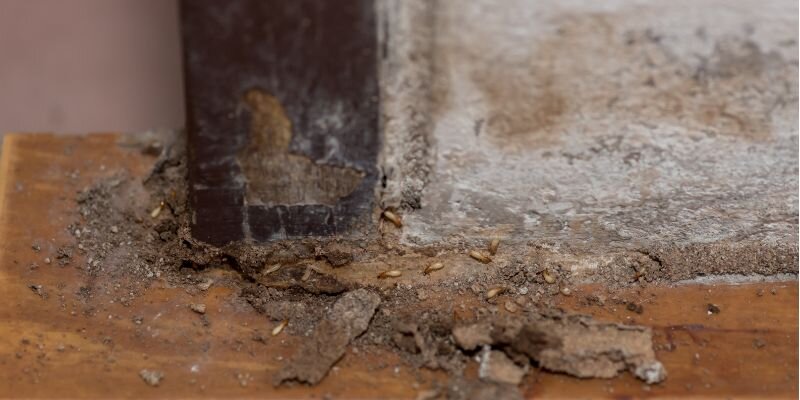
Skipping disclosure of a termite problem in Oregon doesn’t make the problem go away. It makes the problem your responsibility forever, long after you sign the closing paperwork. I’ve seen sellers lose far more in legal fees and post-sale settlements than they ever would have spent just dealing with the issue upfront. So let’s discuss what you’re actually facing, what the law says, and your real options.
Selling a House with Termites in Oregon: the Short Answer
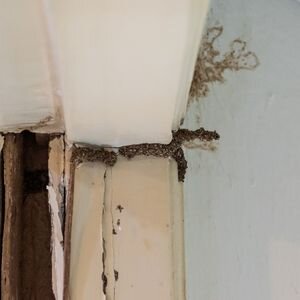
Sellers who try to hide termite damage often end up paying for it twice. First, they lose out on the sale price they could have gotten; then, they face a lawsuit they didn’t see coming. Oregon sits in a category of states with strict seller disclosure obligations, and pest infestations land squarely in the column of things you cannot quietly omit from your paperwork.
The Holloway family found the truth the hard way. I worked with them in the Bethany area of northwest Portland about two weeks ago. They’d been quietly carrying two mortgages for almost a year after a prior sale fell through, partly due to undisclosed termite activity in the garage. By the time I met them on a Thursday afternoon, the crawl space damage had worsened, and they were exhausted. We bought the house as-is; they stopped bleeding money on two mortgages, and within a week, they had a clear path forward. This is what happens when you stop trying to manage around a problem and just sail with it directly.
Oregon’s damp climate, especially west of the Cascades in places like Eugene, Salem, and the Portland metro, creates near-ideal conditions for subterranean termites. They’re drawn to moisture-softened wood, and a crawl space under a 1960s bungalow in the Irvington neighborhood is basically a buffet. Knowing you’re in termite country changes how buyers read your disclosure, but it doesn’t give you a pass on filling it out honestly (inspectors know the region, too).
What Oregon Homeowners Should Know About Termite Damage
Subterranean termites, the species most common in western Oregon, don’t eat wood from the outside in. They travel through soil, enter through tiny cracks in your foundation or crawl space vents, and quietly hollow out structural members from the inside. By the time you see a mud tube on a concrete block or notice a soft spot in your floor, the colony may have been active for two to five years. This detail rarely makes it into the generic articles about termite damage, and it’s the reason pre-sale inspections catch things sellers genuinely didn’t know were there.
Repair costs after an active infestation depend entirely on how long the termites had to work. Treating the colony itself typically runs somewhere between $1,000 and $3,000. Still, the structural repairs that follow, beam replacements, joist sistering, and subfloor patches, can push the total bill to $5,000 or well beyond if the damage was left unchecked. Oregon’s older housing stock, particularly craftsman homes in neighborhoods like Ladd’s Addition in southeast Portland or the older subdivisions around Medford and Grants Pass in the south, tends to carry more accumulated wood damage simply because those houses have had longer to accumulate it.
Pest management companies in Oregon generally classify termite damage in three tiers: cosmetic, moderate, and structural. Buyers care about the third category. An inspector who calls out compromised rim joists or a softened sill plate is handing the buyer a well-founded negotiating weapon. Practically, get a licensed pest inspector into your crawl space before your buyers do, so you know what category you’re in (and which tier to brace for).
Do You Have to Disclose Termite History When Selling in Oregon?
Many sellers walk in with the assumption that you only have to disclose what’s currently active, that a treated infestation from years ago is old news, and nobody’s business. Oregon law disagrees with that reading.
Oregon law, specifically ORS 105.464 and 105.465, requires sellers to provide a Seller’s Property Disclosure Statement to any buyer who makes a written offer. That form specifically asks about pest infestations and past and present wood-destroying insects. Answering “no” because treatment happened four years ago, while knowing the damage exists, puts you in a legally risky position. Answering “unknown” to avoid disclosing known information can constitute fraud under Oregon’s framework.
Around 77% of real estate lawsuits are linked to disclosure issues, and termite history sits near the top of the list of defects that generate post-sale disputes. Real estate attorneys and brokers in Oregon consistently advise sellers to provide more disclosure rather than less, because the cost of defending a failure-to-disclose claim far exceeds the cost of any price reduction you might take on the front end (and litigation timelines are often longer than sellers expect).
After delivery of the disclosure statement, the buyer has five business days to revoke their offer by delivering a signed written revocation, unless the buyer has already waived that right. So disclosure doesn’t automatically kill the sale; it gives buyers a defined window to respond. Most buyers, once they see a treated infestation paired with documentation and a warranty, move forward. What stops a sale cold is discovering undisclosed damage during the inspection, which is why I document everything before we even list.
If you’re unsure how to complete the disclosure form, speaking with a real estate attorney before you list is money well spent. Oregon-licensed attorneys and real estate brokers can help you frame known issues accurately without over-exposing yourself.
How Termite Damage Affects Home Value in Oregon
Knowing you have to disclose naturally leads to the next question: how much does this actually cost me on the sale price?
The value hit from termite history isn’t flat. It depends on three things: the severity of the structural damage, whether treatment and repairs are documented, and how tight or loose the local market is at the time you sell. In a competitive seller’s market, buyers absorb more. In a softer market, the same disclosure triggers larger repair credit demands and more sale fall-throughs.
Oregon’s real estate market has cooled from its pandemic-era peaks but remains well above pre-2020 levels. The median home price in Oregon hovered near $420,000 in early 2025, meaning even a modest price reduction tied to termite concerns can amount to tens of thousands of dollars in savings at the negotiating table. Buyers who find evidence of structural damage during their pest inspection often push for credits that cover both the repair cost and a buffer for unknowns they can’t fully quantify before closing.
Undisclosed or poorly documented termite history tends to affect value more than disclosed, remediated history. Walking into a listing with a clean pest report, a completed treatment warranty, and a contractor invoice for any structural repairs actually gives buyers confidence. Transparency in real estate has a price effect, and on this issue, it goes in your favor.
Mortgage lending compounds the issue further. Conventional loans backed by Fannie Mae, and certainly FHA and VA loans, require clear pest inspections before funding. A property with active termites or unrepaired structural damage will fail underwriting, shrinking your buyer pool immediately to cash buyers and investors unless you resolve the problem first.
What Is Your Termite-Damaged Home Worth in Oregon?
Portland’s median home sale price sat around $489,000 in late 2024, according to regional real estate data. The baseline matters because the discount buyers apply to termite-damaged properties isn’t a flat dollar number; it’s a percentage tied to their perceived risk. A house with moderate, fully treated damage and documentation typically trades at a 5 to 10 percent discount relative to comparable undamaged homes. A property with active infestation, visible structural compromise, and no pest control history can see offers 20 percent or more below what the same house would fetch in a clean condition.
For a $480,000 home, that concession amounts to $48,000. That’s real money. And that’s before accounting for the fact that a buyer using financing may not qualify once their lender sees the inspection report.
Cash buyers approach termite-damaged homes differently. They price the repair cost and move on. They’re not scared off by the disclosure, unlike a first-time buyer using an FHA loan. Sellers of termite-affected properties in Oregon often find that their realistic buyer pool is smaller than they expected, but still very much there.
Termite Treatment Costs Vs. Seller Concessions: Which Makes More Sense?

Sit across a kitchen table from a seller facing this choice, and the dilemma never changes: should I spend money fixing this before I list, or take less and let the buyer handle it?
The honest answer is that it depends on the severity and on your timeline. A minor infestation caught early, where treatment runs a few hundred dollars, and no structural repairs are needed, almost always makes sense to resolve before listing. The cost is manageable and removes a buyer objection. But a crawl space with compromised joists, active colonies in multiple locations, and a repair bill headed toward $15,000 or $20,000 is a different calculation. Putting that money into a property you’re trying to exit, only to price it the same as an undamaged comparable, means you absorbed the cost without capturing the upside (I’ve watched sellers learn these lessons too late).
Seller concessions, where you reduce the price or offer a repair credit at closing, let the buyer take ownership of the repair process. Buyers sometimes prefer this because they get to choose their contractor and control the quality of the work. The downside is that buyers often ask for more concessions than the actual repair cost, padding the contingency to account for uncertainty. It’s not unreasonable, but it can sting, and in my experience, the gap between the credit requested and the actual repair cost is rarely small.
One pattern I keep seeing: sellers who treat the infestation, get a warranty, but don’t actually fix the structural damage end up in a gray area. The colony is gone, but its residence remains. The in-between position tends to produce the worst negotiating outcomes because buyers can’t fully assess the scope of the remaining damage.
What Termite Treatments and Warranties Actually Matter to Buyers
A seller in Corvallis once called me after her sale fell through twice in six months. Both times, the buyers walked during the inspection period after seeing evidence of prior termite activity, even though she had paid for treatment two years earlier. She had the receipt but no warranty, no final clearance letter, and no documentation of what, if anything, was structurally repaired (the structural component is what lenders focus on).
The paperwork gap is what sank her sale. Buyers and their real estate agents are not afraid of a house with a termite history; they are afraid of a house where the outcome is unverifiable. A wood-destroying insect report (WDIR) from a licensed pest control company in Oregon, showing no active infestation, combined with a transferable treatment warranty, changes the whole conversation.
Transferable warranties are the key deliverable here. Most reputable pest management companies offer annual warranties that a new owner can take over at closing. Some even cover re-treatment at no cost if termites return within a defined period. That coverage converts a buyer’s anxiety into a manageable, known risk. Without this coverage, buyers are pricing in the worst-case scenario.
Ask your pest control company to issue a formal clearance report and confirm whether their warranty transfers to the new owner. If they can’t transfer it, some buyers will ask you to buy a new warranty as a condition of sale. Incorporate that into your negotiating expectations.
What Are Your Options for Selling a Termite-Damaged Home in Oregon?
For years, I thought the standard advice, treat first, repair, and then list, was always the right move. Watching sellers in tight financial situations pour money into properties they couldn’t afford to hold anymore changed that view.
Your real options break into three paths. The first is to treat, repair, and list on the open market with a real estate agent. This option works well when the damage is limited, your finances can absorb the upfront cost, and you have time. In early 2025, the average days on market for a standard residential listing in Oregon was around 34 days, so be sure to factor that holding time into your carrying costs.
The second path is to disclose everything, skip the repairs, and list at an adjusted price. This approach attracts buyers looking for a project and investors who are comfortable with the condition. Your buyer pool narrows, but your out-of-pocket stays low. Real estate agents and brokers who specialize in distressed properties can market this angle effectively, so your listing reaches targeted buyers rather than hoping someone bites.
The third path is selling directly to a cash buyer. If you’re exploring that option, we buy houses in Oregon in as-is condition, allowing homeowners to skip repairs, open houses, and financing delays. Companies like Highest Offer buy homes in as-is condition, which means they factor in the termite damage, the disclosure, and the structural questions, and they make you an offer without requiring you to fix anything. No repairs, no open houses, no sale falling through because a buyer’s lender balked at the pest inspection. Closing can happen in days rather than months, which I’ve seen matter enormously when a seller is carrying two mortgages.
None of these paths is objectively right. They’re right or wrong depending on your timeline, your finances, and how much uncertainty you can carry. If you’re considering selling directly for cash but aren’t sure what to expect, take a look at how our process works so you can understand each step before deciding what’s right for your situation.
How to Market a Home with a Termite History to Oregon Buyers
What do you say in a listing description when your home has a termite past?
The answer isn’t to lead with it, but it’s also not to bury it. Buyers doing their due diligence will find out; the inspection exists for exactly that reason. Your job in marketing is to frame the situation accurately and to give buyers the reassurance they need to stay in the sale rather than run from it.
A listing that says “pest history fully remediated, transferable warranty in place, all repairs documented with permits” accomplishes something most sellers miss: it converts the disclosure from a threat into proof of transparency. Buyers who self-select into a property knowing the history are more likely to stay through the inspection contingency because they weren’t surprised.
A clean, well-lit crawl space with visible repair work, properly sistered joists, and a fresh vapor barrier reads very differently from a dark, cluttered space with mud tubes on the wall. Your real estate agent should include those crawl space photos in the listing, not hide them. Buyers expect problems in older Oregon homes; they can’t tolerate being blindsided.
Pricing accurately from the start prevents the worst outcome: a price reduction mid-listing. A home that sits and then drops in price signals problems to buyers even before they read the disclosure. Price it right on day one. The condition was baked in (termite damage included, not buried), and you’ll attract buyers who are genuinely interested at that price rather than those who will renegotiate after the inspection.
Is It Hard to Sell a House That Has Had Termites in Oregon?
Yes, it is harder than selling a clean house. It’s not impossible, but the gap between those two things is where sellers tend to worry.
The primary challenge is buyer financing. Any buyer relying on a conventional, FHA, or VA loan will face lender scrutiny once the pest inspection surfaces termite activity or structural damage. Lenders won’t fund an active infestation, and VA loans in particular apply strict wood-destroying insect report requirements. That’s a real constraint. But cash buyers, investment buyers, and direct buyers don’t carry that restriction, and they represent a meaningful segment of the Oregon market.
The secondary challenge is the inspection contingency. Even buyers who start unfazed by your disclosure can get cold feet when an inspector starts tapping on joists and muttering. Having your own pre-listing pest inspection, with a professional clearance letter attached, defuses much of that drama. Your buyers’ inspector may still find things, but they’re less likely to find an active infestation if a credentialed pest management company has already cleared the property.
Where your house sits in Oregon matters more than sellers expect. Homes in the Willamette Valley and along the Oregon coast face higher termite pressure than properties east of the Cascades, where moisture creates favorable conditions for termites. Homeowners looking for cash home buyers in Astoria can often sell as-is without completing costly termite repairs before closing. A termite-damaged home in Eugene carries more buyer skepticism than the same condition in Redmond, simply because buyers in the wetter markets have seen more of it.
You Have Options When Selling a House with Termite Damage in Oregon
A homeowner comes to me with a termite problem and no money to fix it. Three months later, after disclosing everything and working with the right buyer, they’re closed, paid, and done.
That’s not a fantasy outcome. It happens regularly because the right buyers for distressed properties exist across Oregon, from the close-in Portland neighborhoods to the suburbs of Hillsboro and Lake Oswego, all the way down to the residential streets of Medford and Ashland.
Raj Robinson called me on a Wednesday morning from Tigard, where he was managing the sale of his mother’s home after she moved into assisted living. The attached garage was packed with her belongings, including decades of potted soil bags and firewood stacked against the foundation wall, and a subterranean termite colony had set up in that corner of the structure. Raj had neither the time nor the cash to manage a full treatment-repair-list sequence while also coordinating his mother’s care. We walked the property, talked through the realistic options, and he sold directly to us: a clean close, no repair costs, and no waiting on financing contingencies.
Selling in that situation isn’t giving up. It’s choosing the option that fits the actual circumstances instead of the idealized version of how home sales are supposed to work.
If you’re in a similar position and want to know what your home could be worth in an as-is sale, contact us for a no-obligation conversation. We’ll walk you through your options, answer your questions, and provide a fair cash offer if selling directly is the right fit for you.
Frequently Asked Questions
How Hard Is It to Sell a House That Has Had Termites?
It’s more complicated than a standard sale, but not a dealbreaker. Your biggest obstacle is buyer financing, since lenders often won’t approve loans on homes with active infestations or unrepaired structural damage. With proper treatment documentation, a clearance report, and a transferable warranty in place, many buyers on the open market will move forward. Cash buyers and direct purchasers are an alternative if you want to skip the repair process entirely.
Are Termites a Big Problem in Oregon?
Western Oregon, particularly the Willamette Valley and coastal communities, experiences regular subterranean termite activity due to persistent soil moisture and the age of much of the housing stock. East of the Cascades is drier and less affected. If your home is in Portland, Eugene, Salem, or anywhere west of the mountains, a routine pest inspection every few years is genuinely worth the cost.
Do Real Estate Agents Have to Disclose Termites?
In Oregon, the seller, not the agent, carries the primary disclosure obligation. That said, if an agent has actual knowledge of a material defect, such as a termite infestation, and conceals it, they can face their own liability. In practice, real estate agents and brokers guide sellers through the disclosure form and are required to make sellers aware of their obligations. The seller fills out and signs the form based on their own knowledge.
Are Termites a sale Breaker When Buying a House?
For buyers using government-backed loans, active termites often are a sale breaker at the lender level, not the buyer level. FHA and VA guidelines require an explicit pest inspection, and lenders won’t fund active infestations. For cash buyers and investors, termite history is typically a pricing conversation rather than a reason to walk. The presence of a valid treatment warranty and documentation of any structural repairs goes a long way toward keeping the sale alive.
If you want to talk through where you stand with a termite-affected property in Oregon, we’re here to help. no pressure, no obligation, and no pitch about why you have to sell right now. Sometimes the most useful thing is just a straight answer about your options.
Helpful Oregon Blog Articles
- Is the Seller Responsible for Any Repairs After Closing in Oregon?
- Can an administrator of an estate sell property in Oregon?
- Selling a Rental Property in Oregon
- Does Staging Help Sell a House in Oregon?
- How to Sell a House with Foundation Issues in Oregon
- How Much Are Closing Costs in Oregon
- Selling A House That Needs Repairs in Oregon
- Can You Sell A House Before Probate in Oregon
- Selling a House During Divorce in Oregon
- Best Time to Sell a House in Oregon
- Can You Sell a House in Foreclosure in Oregon
- Can You Sell a House With Termites in Oregon
- Sell a Distressed Home if You Live Out of State but Own in Oregon
- FSBO Costs in Oregon
- How Long Does a Real Estate Contract Last in Oregon