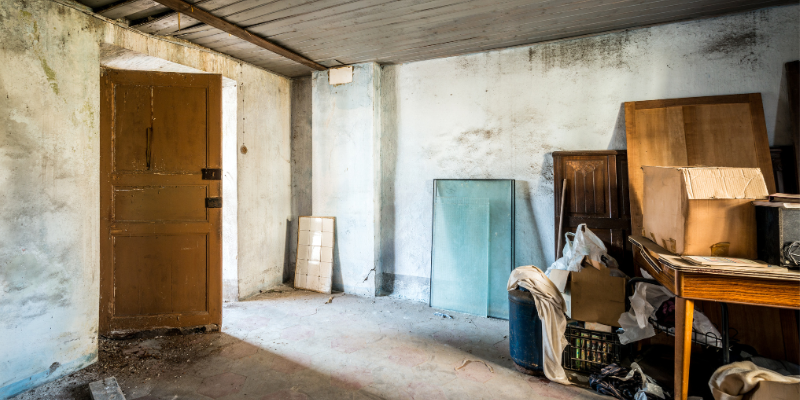
If you’re the owner of a property in Washington state, it may be difficult to understand how to remove a squatter or the state laws governing the situation. There are several steps that must be taken in a certain order to sort the underlying problems related to occupancy. With the right steps and information, it will be possible to remove the occupant from the property, and then the property can be sold without any additional problems. Washington state squatter laws provide the information needed to remove a squatter from your property and to sell your property quickly and efficiently.
Key Highlights
- Understanding squatter rights, including adverse possession, is key to resolving occupancy issues in Washington.
- Legal guidance helps owners navigate the complex intersection of landlord-tenant laws and squatter rights.
- Squatters can lower property value, making it less attractive to buyers due to potential legal issues.
- Filing an eviction lawsuit and involving local authorities are strategic steps to reclaim property.
- Attorneys specializing in landlord-tenant disputes provide essential insights for handling squatter situations.
Understanding Squatter Rights in Washington
It is necessary for property owners in Washington state to understand squatter’s rights, and to spot the difficulties of understanding the squatter’s rights is a nightmare, to say the least. There are elements of Washington’s law that transactions with adverse possession and the landlord/tenant law that provide squatters with the ability to claim ownership of a property, if the squatters meet a set of conditions. A property owner’s understanding of Washington state’s squatter claim regulations assists the owner in controlling the impact of squatter claims on the property.
For property owners planning to sell a home, it is critical to understand squatter rights. Squatters create transaction complications, negatively impact market value, and generate additional legal worries for prospective buyers. Prior to selling, it is advisable to address such problems through legal counsel, eviction, and/or title clearance. A thorough understanding of Washington’s squatter laws will empower owners to safeguard their property rights, enabling efficient, legally unambiguous sales.
Northwest Real Estate Solutions provides fast cash offers for homes, even those currently occupied by squatters, helping homeowners bypass complex legal hurdles and sell their property quickly and securely.
The Legality of Squatting and Adverse Possession
In Washington State, adverse possession permits squatters to gain legal ownership of an entire property just by taking possession of it and treating it as their own for a period of time (10 years). This includes paying property taxes. Although the legal doctrine exists to promote the active use of land, squatters face many challenges, including securing possession and exclusive control to obtain ownership. Property owners should be knowledgeable about these laws to assess the potential risks of a squatter establishing a claim before it becomes more difficult to do so.
Even if squatters never intended to claim ownership of the property, unauthorized occupation can lead to legal challenges that make eviction much more difficult. Washington State law requires property owners to do all the work if squatters establish ownership through possession. To prevent adverse possession, the property owner should regularly inspect the property for squatters and direct any unwanted occupants to leave. This significantly reduces the likelihood that squatters will gain legal possession of the property.
Squatting has an impact beyond merely taking possession of a property; it can decrease nearby property values and make a property more difficult to sell. To reclaim a property, owners may need to evict squatters, a process that can be long and complicated. Knowing how to navigate Washington’s legal system can help owners defensively reclaim property from squatters, on their own or with the help of an attorney, to protect the property and their investments. The same strategy can make the property more desirable to buyers and less financially risky to hold.
How Washington Squatter Rights Affect Property Transactions

The influence of squatters on the sale of a house in Washington has made it crucial for owners to know squatter’s rights and how they might affect a sale. Washington squatters have specific protections under adverse possession laws, leaving sellers at risk of legal issues. Most buyers do not like to manage unfinished legal work because they have to assume liability for squatter claims. Negotiating squatter claims first makes the seller’s possession easier.
Potential buyers usually view properties with squatters as high-risk due to the time and resources required to resolve all legal eviction disputes and battles. While there are plenty of legal loopholes squatters can use to stall a sale and create costs, many investors simply avoid the situation altogether to protect their time and money. Sellers who can clear occupancy issues prior to sale can provide certainty to buyers, making their properties more competitively priced.
Seeking to evict unwanted squatters also permanently reduces a property’s value, as buyers see squatters as a sign of legal issues and/or negligence. While the squatter problem can be long and complicated, a property owner can be better prepared to address a transaction by studying Washington squatter rights, seeking legal advice, and monitoring the property. Having the right people on the job will provide the owner with the information and direction needed to resolve the legal issues, protect his property interests, and sell the property without restrictions.
We offer a fast cash offer for your property, even if it’s occupied by squatters. Contact us today to sell your home quickly and hassle-free in Washington.
Preparing to Sell a House with a Squatter
In Washington, selling a house with a squatter occupant requires more than simply listing the property; it requires a legal and practical approach addressing the challenges presented. Property owners must determine how to address the effects of a squatter, owners’ rights, buyers’ concerns, and the entire selling process. This includes understanding when and how to call law enforcement, documenting the property, and communicating with the buyer to keep it clear and open.
Understanding rights and adverse possession is vital, as it determines the property’s value and the extent of its marketability. Entangled issues with a squatter’s claim will affect the buyer’s mental state and the selling process; legal possession of the property will remove the buyer’s concerns. With the right steps to protect the property and establish ownership, the selling process will become easier, and the chances of a quick sale will be much higher.
Legal Aspects of Selling Property with Squatters
Property owners face legal complexities when dealing with squatters on the property they wish to sell. In Washington, it is important to understand landlord-tenant law and squatter law. Squatters can assert a claim of adverse possession if they have openly and continuously occupied the property for 10 years, which complicates ownership. It is important to determine whether squatters have paid property taxes, as this is an indicator of their claim and may strengthen their legal position.
Another complication is that ownership is not the only problem. The eviction of squatters is a legal process that typically requires filing an eviction lawsuit, which can make selling the property more time-consuming and complicated. Washington law imposes a high degree of specificity on the process for evicting a tenant, and to avoid problems that may delay or stop the sale, it is essential to comply with all requirements of the law.
Washington State law attempts to balance the rights of squatters and property owners, as well as the interests of the law, by requiring, among other things, that potential claims be settled before the property can be sold. In an adverse possession context, an owner may have to demonstrate that the squatters have not satisfied the requirements of possessory ownership, including continuous and exclusive possession. A lawyer who understands the relevant real estate and squatters law, along with local nuances, is an important resource.
Property owners must also consider criminal trespass laws if squatters unlawfully occupy the home. Coordinating with law enforcement may be necessary to ensure proper removal. Following legal protocols helps protect the sale process, ensuring no lingering disputes harm the property’s marketability or transfer, especially when working with investor home buyers in Washington who specialize in purchasing challenging properties.
Practical Steps for Managing Legal Challenges in Squatter Situations
- Analyze local landlord-tenant laws to clarify the requirements for evicting squatters.
- Gather all documentation proving property ownership to counter adverse possession claims.
- Consult with legal professionals specializing in property disputes for tailored advice.
- Check whether squatters have attempted formal ownership steps, such as paying taxes.
- Document all interactions and actions taken regarding the squatter situation.
- Explore alternative dispute resolution methods before proceeding with formal eviction actions.
- Notify local law enforcement if criminal activities are suspected on the property.
Implementing these steps can help property owners strategically and effectively address squatter-related issues, fostering a more secure and smoother management process.
Impact of Squatters on Property Value

Squatters occupying a property can significantly impact its market value, as potential buyers are often hesitant to take on homes entangled in legal complications. Properties with squatter issues are frequently perceived as neglected or legally risky, leading buyers to undervalue them due to anticipated challenges in establishing clear ownership. The presence of squatters can therefore reduce offers and make selling a property more difficult than usual.
Unresolved squatter occupancy can also detract from the property’s value and oversell the negative aspects associated with unresolved occupancy issues. Buyers are more inclined to purchase properties with no active legal disputes. Clear property titles are also preferable to legal dispossession claims arising from adverse possession. Decreased competition due to ownership uncertainty directly correlates with lower market value.
In addition, squatters can be financially burdensome for owners due to increased property maintenance and compounding property tax costs associated with occupancy. The combination of ongoing squatters and adverse possession claims reduces the asking price and the perceived future value of an owner’s investment. Knowledge of Washington squatter and eviction laws allows owners to take the appropriate steps legally to reestablish value to the property, which in turn offers legal value to potential buyers, thus legally facilitating the sale of the property.
Strategies for Squatter Eviction in WA
Planning squatter evictions in Washington demands a good understanding of both local and state laws. That said, many Washington squatters make it difficult (or impossible) to remove questionable squatters from your property. To remove squatters adequately and legally, Washington property owners must pursue an eviction lawsuit and other legal avenues. Additionally, Washington property owners must understand and oppose the laws governing occupancy and adverse possession to legally evict squatters.
Another part of the effective squatter strategy is engaging the police and obtaining professional advice. The police and a good lawyer can help owners of Washington property navigate the legal eviction process and remove the squatters without a violent confrontation. With some outside help and understanding of laws, an equity-protecting transaction is possible.
How to Remove Squatters Legally
To remove squatters in Washington, you must understand the state’s unique requirements and steps involved in the process. Property owners must first determine the occupants’ legal status, as this affects the entire eviction process. While tenants are afforded legal protections under a lease agreement, squatters do not have a lease but may still have protections, provided the aforementioned legal steps have not been taken.
For an eviction process to become active, a legal notice requiring squatters to leave the premises must be issued. This is often a three-day notice. This protective measure is taken to establish a case and document the legal requirements applicable to the situation, in order to avoid issues related to unlawful eviction. Should squatters choose not to comply with the notice issued, the case must then be taken to the District Court.
During the lawsuit, property owners must provide evidence establishing that the occupants are unauthorized and do not meet the criteria for adverse possession. Documentation such as tax payments or proof of ownership strengthens the case and refutes any claims of legal occupancy. The court then reviews both sides before issuing a ruling.
If the court rules in the owner’s favor, law enforcement enforces the eviction order, removing squatters in accordance with legal requirements. Throughout the process, maintaining compliance with Washington laws and clear communication can prevent disputes, ensuring the property is reclaimed efficiently and remains market-ready. For homeowners who want a faster solution, working with a cash-for-houses company in Seattle and surrounding cities in Washington can be a straightforward way to sell the property without the delays of a traditional listing.
Engaging Local Authorities for Squatter Eviction
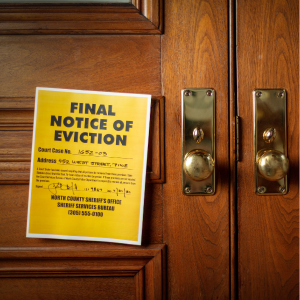
Washington’s squatters’ eviction process requires the involvement of local government, as their participation substantiates the case and ensures compliance with the law in a formalized manner. This involvement reduces the risk of legal missteps and facilitates the eviction process. The complexity of legal requirements for the eviction process is diminished by the assistance of law enforcement and local government.
Before squatters can be reported to other government officials, squatters must first be reported to the police, as they are the primary government officials empowered to act on unconsented/end unauthorized occupancy. This explanation supports the possibility of police involvement, should the situation become dangerous, to provide protection during the eviction process.
Local professionals can help owners by assisting with retrieving access documents for the property and confirming its legal ownership. These documents can solidify a legal position, and in some cases, the tenants may leave. Local authorities may advise or provide legal help to resolve a dispute, thereby avoiding a court case.
Engagement with the local judicial and housing authorities is instrumental in processing eviction applications and meeting Washington State mandates. Property owners who engage in active management and regulation can promptly prevent squatters. By engaging the local authority, owners can preserve and protect the property’s market value and make its sale or transition easier.
| Legal Procedure | Documentation Required | Timeline | Challenges | Resolution |
|---|---|---|---|---|
| Notice to Vacate | Proof of Ownership | 2-4 Weeks | Identifying Occupants | Formal Eviction Notice |
| Court Filing | Eviction Petition | 4-6 Weeks | Delays in Processing | Judge’s Order |
| Trial | All Evidence | 4-8 Weeks | Legal Representation | Court Ruling |
| Eviction Enforcement | Sheriff’s Assistance | 1-2 Weeks | Availability of Law Enforcement | Physical Removal |
This table summarizes the key steps and legal nuances involved in handling squatter evictions in Washington, underscoring the importance of an informed, methodical approach.
Legal Help for Landlords Facing Squatter Issues
For property owners in Washington, resolving squatter problems usually requires legal assistance. When squatters take over a home, the owners must face the complex legalities of property protection. Washington has a number of squatter’s rights, which makes landlord-tenant and adverse possession attorneys’ legal specialty of great value to owners in their efforts to secure and legally reclaim their homes.
Legal protective actions that squatters can legally take must be understood, especially adverse possession. Under Washington’s squatters’ rights, squatters can obtain legal title to the property if they occupy it (visibly, openly, and without secret possession) for at least 10 years. Washington landlord-tenant adverse possession and squatters’ rights legal advocates assist owners in determining whether any of their protective actions are in adverse possession, and in legally challenging those actions.
In practical, lawful approaches, particularly in the eviction process, an eviction lawsuit begins with an official notice to leave. To support the charge of unlawful occupancy, documentation such as tax payments, prior notices, and other relevant records is required. Experienced lawyers guide landowners, so pitfalls are lessened, and the process is legally compliant with landlord/tenant laws in the state of Washington.
Local government and housing authorities, in addition to the landowner, may assist with enforcement and documentation, further strengthening the owner’s case. The combination of legal assistance and these options helps to successfully address the problems caused by squatters, permits the legal use of adverse possession to be removed, and makes the sale of property more uncomplicated. With a legal focus, one’s rights are protected, potential risks are reduced, and property disputes are resolved effectively.
Selling a house with a squatter in Washington presents unique challenges, but understanding local regulations and taking strategic steps can greatly help achieve a successful sale. By maintaining vigilance, working with experienced legal counsel, and effectively communicating with potential buyers, sellers can navigate these complexities efficiently. Offering transparency and showcasing any resolved issues can add value and reassurance to prospective buyers. Always highlight the property’s features and benefits to attract high-quality offers, making it a worthwhile investment for the right buyer despite existing challenges.
FAQs:
What are squatter rights in Washington State?
Squatter rights in Washington allow individuals to claim legal ownership of a property through adverse possession. This occurs if they’ve openly occupied the property for at least 10 years while maintaining it as their own, including paying property taxes.
How can a property owner in Washington legally evict squatters?
The legal process to evict squatters involves filing an eviction lawsuit. Property owners must serve an official notice to vacate and present evidence in court showing unauthorized occupancy.
File an eviction claim → Serve a notice to vacate → Provide evidence in court → Receive eviction order.
Can squatters affect the sale of a property in Washington?
Yes, squatters can impact a property’s market value and complicate the sales process. Their presence may deter potential buyers due to the possibility of legal complications.
What is the concept of adverse possession in Washington?
Adverse possession allows squatters to claim ownership if they’ve openly and continuously occupied a property for a specified period, generally 10 years in Washington. They must demonstrate their ability to fulfill duties, such as paying property taxes, to legitimize their claim.
Why is legal guidance important in handling squatter issues in Washington?
Legal professionals specializing in landlord-tenant disputes provide essential insights to navigate the complex intersection of landlord-tenant laws and squatter rights, ensuring compliance and safeguarding property interests.
Looking to sell your house? Skip the repairs, sell fast, and enjoy a hassle-free process. Northwest Real Estate Solutions provides fair cash offers and handles everything from start to finish. Call (541) 399-9535 today for your no-obligation offer!
Helpful Washington Blog Articles
- How to Sell a House in Probate in Washington
- Selling a House to a Family Member in Washington
- Capital Gains Tax After Selling a House in Washington
- Selling A House with Delinquent Property Taxes in Washington
- Do All Heirs Have to Agree to Sell Property in Washington
- How to Sell Distressed Property in Washington
- Do I Need a Lawyer to Sell My House in Washington?
- Sell a House That Failed Inspection in Washington
- Who Pays Closing Costs When Selling a House in Washington
- How to Sell a House with a Squatter in Washington