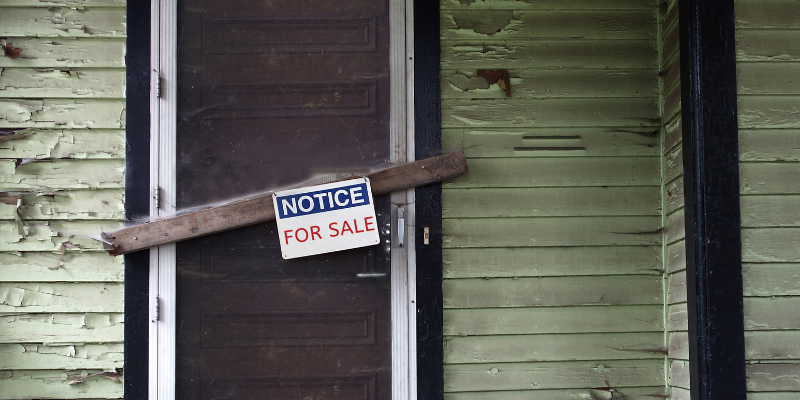
Engaging with condemned properties in Oregon can be overwhelming for most, but with proper guidance, it can be rewarding. There may be a number of issues from structural to compliance, but selling a condemned property can be done. Working with Northwest Real Estate Solutions, we’ll be able to navigate Oregon’s regulations to streamline the selling process for maximum profit. Learn how to attract buyers, manage the property’s legal issues, and promote the condemned property. Change the perspective of a liability into the value of a sale. Here, you’ll find the value in your property.
Brief Overview
Selling an Oregon condemned house is difficult due to structural issues and legal requirements, but it can be profitable. Understanding a house’s condemnation helps owners navigate legal obligations and decide whether to renovate or sell. Clarity and targeting cash home buyers in Oregon and nearby cities can attract distressed property buyers. Potential renovations and financial projections can attract buyers. Owners can turn a difficult sale into a profitable one by using these insights, aligning with Oregon’s changing real estate dynamics.
Key Highlights
- Identifying the reasons a property is condemned will help you turn that potential into interest from buyers.
- Legal compliance in the State of Oregon is necessary when selling a condemned property.
- Consider the pros and cons of renovation in comparison to selling the house as is to help buyers.
- Smart marketing can turn condemned properties into profitable sales.
- Describe to potential buyers the ability to customize and redevelop a property to attract potential investors.
Understanding the Nature of a Condemned House

There are unique challenges to selling a condemned house in Oregon, especially when it comes to understanding what the property entails. These houses tend to be viewed as either unoccupied properties or run-down structures that have deteriorated to a point where they are considered unsafe and uninhabitable. Before selling, it is important to understand the reasons a house is condemned, as well as the implications this brings to the owners. This is not merely a compliance issue. With the right understanding, it is an opportunity to draw in buyers with an appreciation for the potential of such underpriced properties.
What is a Condemned House?
A condemned house is a home that is unfit for human habitation. There are a number of reasons that would explain why a house is condemned. A house may be condemned because of gross neglect, possible violations of the law, subdivisions or zoning, and failure of one or more inspections in the areas of electrical hazards, water damage, and sanitation issues. Local municipalities may designate these homes by way of building and health inspections and will notify the owner of needed corrective measures.
Besides the fact that some condemned houses may simply be in disrepair, some others may have historical significance or may be located in areas of planned urban renewal or may be financially burdened (because of fines, diminished value, or liability) to discover the property. There is a potential for a more sophisticated re-evaluation of a wider range of potential than a negative liability to a condemned house.
Why Houses Get Condemned in Oregon
Houses in Oregon are condemned due to extreme neglect, decay in infrastructure, and health risks such as mold, rot, and pest issues. Aging homes that get moisture or homes that are poorly maintained become unsafe to live in and bring legal intervention by the municipality. Abandoned Homes suffer similar issues, where vandals neglect and decay homes and get the municipalities’ attention through the legal system.
A home’s legal and environmental issues can result in a house getting condemned. Not following the local zoning, health, and safety laws, or making illegal changes and situating a house on flood, unstable, or dangerous land can lead a house to be condemned. Furthermore, the local government may condemn homes for new structure plans like urban renewal. Knowing these issues helps the owner decide if they want to renovate the house or sell it to a developer.
The Legal Aspects of Selling a Condemned House in Oregon

In Oregon, selling a condemned house requires knowledgeable sellers to be aware of the legal obligations in the area. They will have to deal with the condemned property rules, as they may have to deal with the condemnation orders from the state of Oregon about health and safety issues. If they choose to remodel or sell the house as is, they must have an understanding of the framework that will help them avoid complications during the sale. If they deal with the legal issues of interstate commerce, Oregon state negligence will not be an issue. If they want to take care of the legal issues or sell to bottom-builders, they will have to know the laws to the fullest to maximize the sale of the property.
Navigating Oregon’s Legal Requirements
When selling condemned homes in Oregon, owners have to follow the rules of the law in an efficient way. Homeowners need to understand the reason behind the condemnation and make the necessary repairs, along with any other permits, before listing the home. Following these rules will mitigate penalties, keep the process moving along, and protect the buyer and the seller.
Owners need to communicate with local authorities, in particular the building and health departments, to understand the rules in regard to the sellability of the property in its current condition. Evidence of corrective action increases buyer confidence and shows the seller’s commitment to transparency. Legal counsel can increase peace of mind, protect the seller from legal exposure, and preserve the competitive marketability of the property to developers and investors.
To further assist in the successful sale of a condemned home in Oregon, consider these additional aspects.
- Research zoning laws to ensure future buyers can repurpose or rebuild on the property seamlessly.
- Obtain a detailed cost estimate for necessary repairs to set realistic price expectations.
- Highlight salvageable features in marketing to attract buyers looking for renovation projects.
- Clarify the extent of repairs needed to satisfy health and safety standards before listing.
- Explore potential tax benefits for buyers interested in the property’s rehabilitation.
- Engage with the local government to verify compliance with all applicable permits and codes.
- Consider offering seller financing to expand the pool of potential buyers.
These factors can significantly influence the effectiveness of your selling strategy.
Weighing the Benefits of Renovating vs. Selling As-Is
Weighing the pros and cons of renovating a condemned Oregon property versus selling it as-is involves considering costs, possible returns, and the current market. If the property is renovated, it can increase the overall worth. A buyer will be able to justify higher offers for renovated property, and a buyer wanting move-in-ready property will be attracted. The issue with renovation is the unexpected repairs, possible timeline delays, and Oregon’s strict building codes.
Selling as-is can be better because it can be financially better in the long run, as it covers the costs of repairs, possible add-ons, and unexpected expenses that an investor may have to cover. This would be better financially for the person, being an even lower cost to the company, and for the seller, making it possible to free up cash flow to cover additional costs in the company. Overall, the choice should be aligned with financial goals and the market to maximize the potential of the property.
| Legal Compliance | Renovation vs. Selling As-Is | Buyer Considerations |
|---|---|---|
| Understanding Local Regulations: Comprehend zoning laws and safety codes. Prompt Communication: Regularly liaise with local authorities to ensure compliance. | Cost Analysis: Compare renovation expenses against potential sale price benefits. Timeline Considerations: Factor in the time required for renovations versus quicker selling. Market Dynamics: Assess current market trends to determine viable strategies. | Appeal for Developers: Highlight potential for redevelopment and investment. Potential Risks: Identify structural issues and legal liabilities that could deter buyers. Market Positioning: Utilize unique property traits for effective market placement. |
This table summarizes Oregon’s key aspects of selling a condemned home, comparing legal strategies and market opportunities for distressed properties.
Strategies to Effectively Sell a Condemned House in Oregon

In order to begin the process of selling a condemned house, a seller must train themselves, strategize, and plan. This section will present the main strategies concerning how to sell and market condemned property and how to sell to investor home buyers in Portland and the surrounding areas. This will help sellers understand the complexities of selling condemned property and turning it from a potential liability to an asset. This will help selling go smoothly from marketing to targeting the right buyers.
How to Market Your Condemned Property
Marketing a condemned property effectively starts with transparency and a compelling narrative. Highlight the home’s potential, unique features, and location while providing high-quality images and thorough descriptions. Emphasize aspects like lot size, historical significance, or renovation opportunities to help buyers envision the property’s transformation. Providing inspection reports, renovation estimates, and regulatory documents builds trust and sets clear expectations.
Target the right audience, including investors, developers, and home flippers, by showcasing potential returns and resale value. Leverage both online platforms and offline networks, including social media, investment forums, and property expos, to reach serious buyers. Set a realistic price based on market analysis to attract motivated buyers ready to invest in a profitable renovation project.
Attracting Buyers Interested in a Distressed House
To whom it may concern, when it comes to selling a house that has been condemned, knowing who your buyers are is important. Generally speaking, investors, developers, and renovators are drawn to distressed properties because of the profit that can be made. Highlighting the two potential redevelopment and custom renovation opportunities can help buyers see the property’s potential. Showing buyers renderings and renovation plans helps buyers envision the property’s potential and increases the perceived value.
Investors always appreciate visible financial expectations and clear renovation costs and potential returns; hence, showing them the profitability of the property will lead to a quicker sale. Positioning yourself in investment clubs, property expos, and open houses will increase your chances of selling to serious buyers. Flexible financing and closing cost assistance are additional selling points that are appealing to buyers who are willing to transform the property.
Understanding local laws and using available options can make selling a condemned house in Oregon easier. Check out cash buyers or property investors who buy as-is to get cash fast without costly repairs. Be aware of your legal obligations for a smooth transaction. Strategy can turn this difficult situation into a positive opportunity that supports your goals. Contact Northwest Real Estate Solutions for customized advice.
Need to sell a condemned house in Oregon? Whether you want to sell fast, skip expensive repairs, or avoid a complicated process, Northwest Real Estate Solutions can help. We provide fair cash offers, manage all the paperwork, and make selling your property simple and stress-free. Ready to get started or have questions? Call us at (541) 399-9535 for a no-obligation offer today!
FAQs
What defines a condemned house in Oregon?
A condemned house is unsafe, unhealthy, or structurally unsound. Neglect, legal, zoning, or environmental issues may cause this. Local authorities inspect such properties.
Should you renovate or sell a condemned house?
Legal compliance matters. This includes reviewing condemnation reasons and safety and legal requirements. Consult local authorities to verify the property’s status and follow regulations to avoid penalties and ensure a smooth sale.
Is it better to renovate a condemned house or sell it as-is?
Returns versus repair costs determine the decision. Selling as-is attracts custom renovators, while renovating increases marketability and price. Financial goals and market conditions influence this decision.
How should a condemned house be marketed?
Transparency, audience targeting, and property transformation are key to effective marketing. Building a detailed listing, using online platforms, and offering visual renovation ideas can attract the right buyers.
How can I hook distressed property buyers?
Showcase redevelopment and financial incentives to attract buyers. Offering buyer incentives, investment return projections, and real estate communities can boost property appeal.
Helpful Oregon Blog Articles
- Who Is Responsible For HOA Fees At Closing In Oregon
- Guide To Oregon Inheritance Laws
- Paperwork For Selling Your Oregon Home by Owner
- Understanding Squatters’ Rights In Oregon Real Estate
- How To File A Quitclaim Deed For Real Estate In Oregon
- Homeowners Insurance When Selling a House in Oregon
- Can You Sell a House with Asbestos in Oregon
- How to Sell a House with Mold in Oregon
- Who Pays Taxes When Selling a House in Oregon?
- How to Sell a Condemned House in Oregon
- Can the Seller Back Out of a Contract in Oregon?
- How Much Equity Do I Need to Sell My House in Oregon?
- Taxes When Selling an Inherited House in Oregon
- Do Open Houses Still Work When Selling a Home in Oregon?
- How to Sell a House with Flood Damage in Oregon
- Is the Seller Responsible for Any Repairs After Closing in Oregon?
- Can an administrator of an estate sell property in Oregon?
- Selling a Rental Property in Oregon
- Does Staging Help Sell a House in Oregon?
- How to Sell a House with Foundation Issues in Oregon